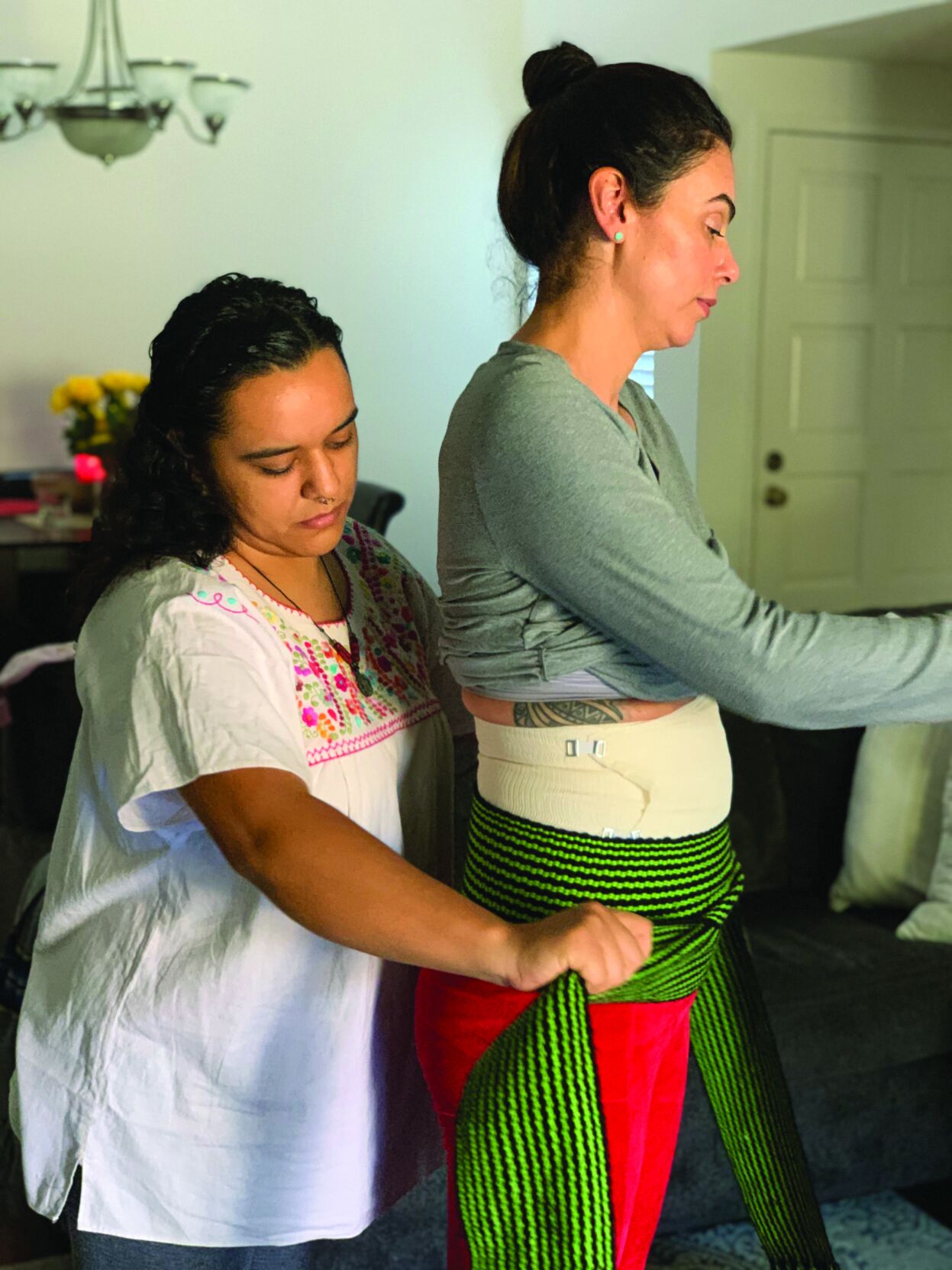
If childbirth is one of the proudest life achievements for many women, it doesn’t come easy. Nearly half of all women endure urination leaks a year after childbirth, according to a 2015 study. Others suffer injuries or scars that interfere with sexual enjoyment or cause lingering pelvic and back pain.
For years, some women have suffered in silence, uncomfortable discussing the matter even with their doctors. As new studies highlight how commonly pelvic floor injuries or disorders occur after childbirth, more people are opening up.
The book “A Woman’s Guide to Pelvic Health” (Johns Hopkins University Press, 2012) by urologist Elizabeth E. Houser, M.D., and physical therapist Stephanie Riley Hahn provides a primer on what’s known about this condition.
The book covers pelvic disorders of all kinds, not just those triggered by childbirth. But postpartum pelvic problems may become more common as women delay childbearing until later in life. Older age at childbirth – or a prolonged labor – increases the risk of injury to the pelvic floor muscles that control urination, according to a study. Among those women, 29 percent also suffered tiny fractures in their pubic bones, and 41 percent had undiagnosed tears in their pelvic floor muscles.
As the book’s foreword notes, millions of women resort to wearing adult diapers or feminine pads long after childbirth, not realizing that there are effective solutions. The book outlines symptoms of various pelvic floor conditions and describes tests for diagnosis and relevant treatment options. Whether the problem is a leaky bladder, decreased sexual sensation or low back pain, seeking medical help sooner rather than later can improve the chances of treatment success.
“A Woman’s Guide to Pelvic Health” contains an introductory chapter on pelvic anatomy and pelvic floor health. The rest of the book is organized in five chapters, each covering one of the five common pelvic disorders: stress urinary incontinence, overactive bladder, mixed urinary incontinence, pelvic organ prolapse and decreased sexual sensation. Each chapter describes symptoms, causes, diagnosis and treatment options. Personal stories of women who have experienced these problems are interwoven throughout, adding a layer of humanity and emotional impact.
Much space is devoted to treatments for “retraining” pelvic floor muscles, which involves exercises including the Kegels often prescribed for lost sexual sensation. Kegels and other related exercises can also fix leaky bladders and other pelvic disorders. Studies show that this kind of muscle retraining has an average cure rate of 73 percent for stress urinary incontinence, for example. When combined with other nonsurgical treatments like weight loss, timing daily fluid intake and avoiding acidic foods, the average cure rate is 97 percent, according to the authors. The exercises can also treat pelvic organ prolapse.
For the minority of women not helped by these treatments, the book contains detailed explanations of various surgical treatments, along with their success rates and risks.
“A Woman’s Guide to Pelvic Health” and additional books on the topic are available at Stanford Health Library. Readers can access electronic books at healthlibrary.stanford.edu/resources/ebooks.html. The login and password are available on the main screen.
The main branch is open 9 a.m. to 5 p.m. weekdays at Hoover Pavilion, 211 Quarry Road, Suite 201. Other locations include Stanford Cancer Center Palo Alto, the Ravenswood Family Health Center in East Palo Alto and the Stanford Cancer Center South Bay in San Jose.
Donna Alvarado is a health library specialist at Stanford Health Library. For more information, call 725-8400, email [email protected] or visit healthlibrary.stanford.edu.
Restoring pelvic health after having a baby