Many high schoolers burn out trying to academically excel.
In my work with teens in Menlo Park and at Gunn High School, I witnessed this firsthand. Perfectionism, depression and anxiety were significant. During summer breaks, I could see the pressure slowly releasing from them.
Clients shared their difficulty meeting parents’ expectations. It’s not enough to be invested in academics, art or sports – the expectation is excellence across all areas.
This pressure to excel can also come from schools. When I was a student at Mountain View High School, during the homecoming parade, the announcer introduced each member of the homecoming court and shared their GPA. I was shocked to learn that multiple homecoming court members had 5.0 GPAs. I didn’t realize that was even possible, even with my knowledge of weighted GPAs from taking honors and AP classes.
Years later, I still remember the sense of inadequacy I felt. I wondered, how could these students get into the homecoming court and maintain perfect grades? What were they doing that I wasn’t?
If I were to address my teen-self now, I would tell her that there was nothing wrong with my academic performance. I was a good student and later found a career I loved. I don’t know how the homecoming court felt, but I know we can never tell how someone is doing from the outside. Maybe getting perfect grades was easy for them, or maybe they had to pull all-nighters every week to get everything done. Perhaps they doubted themselves, too.
High school juniors and seniors often feel the pressure of looming college applications and wonder if they’re good enough or have done enough to get into college. The goal often is not only getting into college, but getting into the best college. Students’ schedules then fill with volunteering, sports, internships and more to appeal to universities.
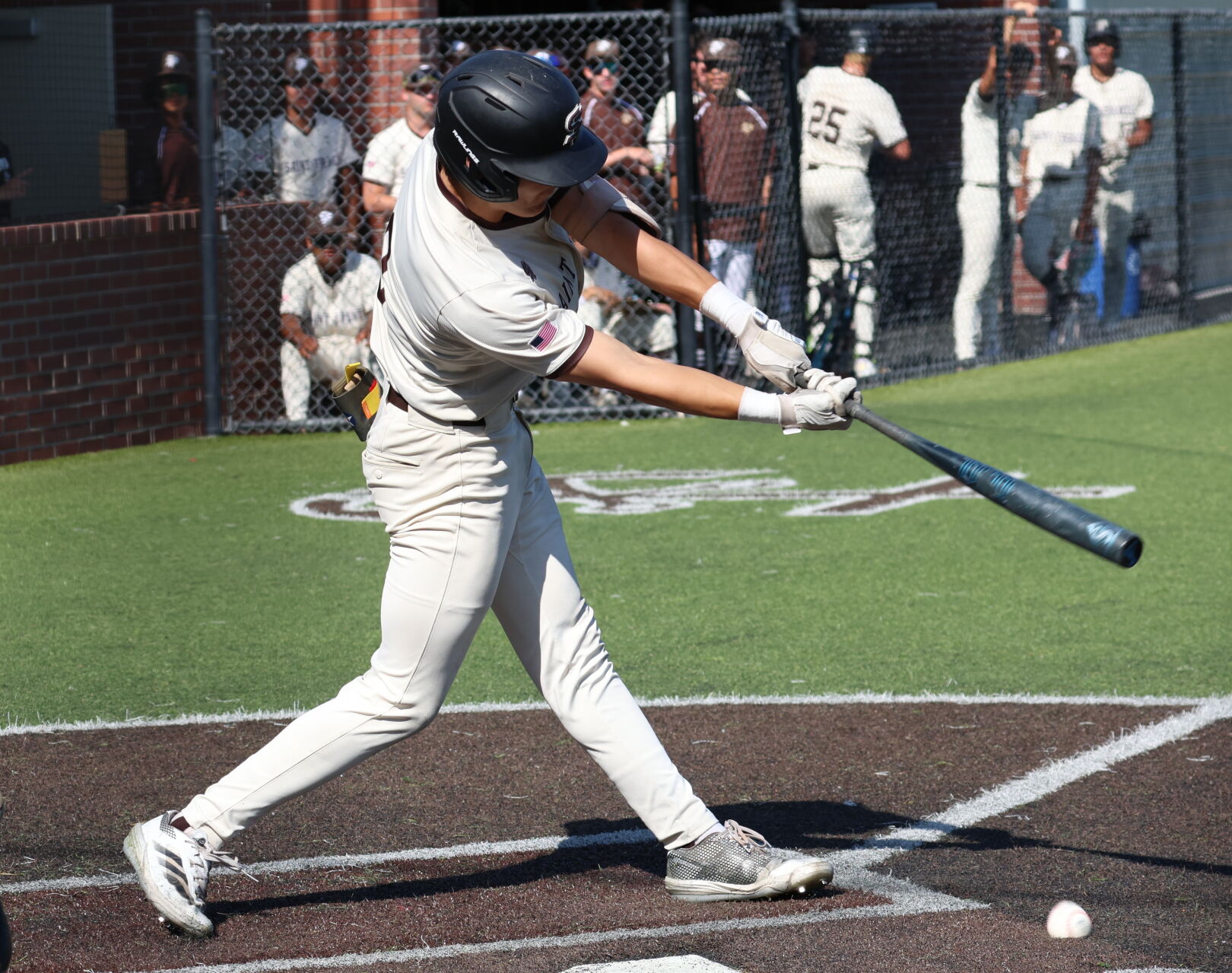
This has merit because extracurriculars can be extremely beneficial. A 2025 study by Lingo and An provided support that being a high school “renaissance student” (having strengths in sports, the arts and academics) predicted academic and social success in college. The researchers noted renaissance students were more likely to get into highly selective universities and graduate with bachelors degrees. This is unsurprising as extracurriculars foster skills like teamwork, self-discipline and creativity.
Yet balancing extracurriculars is tricky. A 2020 study by Gardner et al. found that students who did more than three or four extracurriculars were more likely to get into college than their peers. However, they also noticed that these students were more likely to take longer to graduate college than peers involved in fewer activities.
These results point to the challenges many students face. Students might get into their intended schools but eventually the momentum runs out. They turn in assignments late or not at all. Or they have to leave class to deescalate panic attacks.
Parental pressure that is excessive or motivated by anxiety can increase stress on adolescents. Parents might fixate on whether or not their teens get accepted into prestigious universities and teens internalize their parents’ anxiety. Because of this, I recommend parents carefully monitor their own anxiety, reflect on where it’s coming from and adjust their expectations as needed to support their teens. Parents should discuss with teens what they expect for themselves and how they feel about their extracurriculars.
If the focus of the extracurriculars becomes solely about getting into college, teens risk burnout and not learning how to monitor their emotional wellbeing. When schedules are too structured, teens also might miss out on important developmental milestones. For example, teens having unstructured quality time with friends can strengthen social skills and build independence. Teens also need down time to learn how to entertain themselves, decompress or process their day.
Teens can be brilliant and full of potential but they still need support to be successful. Some thrive doing many extracurriculars while others perform better prioritizing one activity at a time. To set students up for success, let’s stop wearing down their strengths and instead bolster them.
Susie Driscoll, LMFT, is a licensed psychotherapist. For information on her practice, email [email protected].