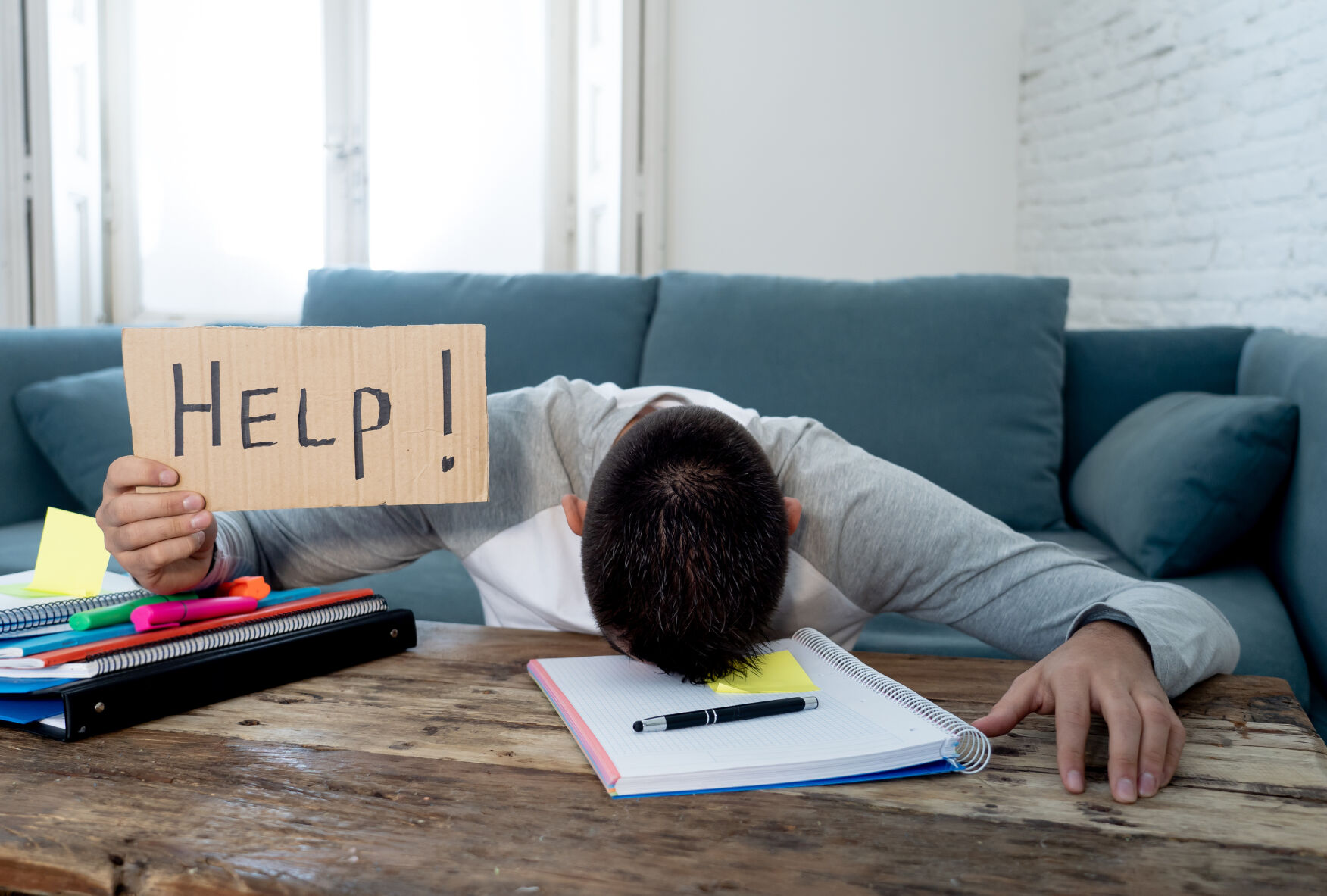
Do you often feel grumpy and sluggish? If so, it may have something to do with how well you sleep. Research shows that quality of sleep has a huge impact on mood, energy level and body weight.
According to the Centers for Disease Control and Prevention (CDC), nearly 30 percent of all U.S. adults report sleep deficiency. If you sleep fewer than six hours, wake up in the middle of the night and have trouble getting back to sleep, or wake up in the morning not feeling refreshed, you’re probably sleep deprived.
Sleep impairment can lead to accidents and errors, from automobile crashes and industrial disasters to medical and other critical workplace mistakes. Lack of sleep also increases your risk of developing chronic diseases, including cardiovascular disease, diabetes, depression and obesity.
Sleep deprivation makes you gain weight by altering the regulation of hormones in the body associated with hunger and stress. Lack of sleep boosts the production of the hunger hormone (ghrelin) and reduces the appetite-suppressing hormone (leptin).
Studies reveal that sleep-deprived subjects have increased appetites for calorie-dense foods with high sugar and fat content – putting them at higher risk for obesity and diabetes. Sleep deprivation also reduces muscle mass and increases fat deposition by lowering human growth hormone levels and increasing cortisol (stress hormone) levels.
You can combat sleep deprivation and weight gain by establishing a regular and relaxing bedtime routine that doesn’t include TV, computers or intense/emotional discussions. Use your bedroom only for sleep and intimacy.
Eating healthful foods and exercising also help you get a better night’s sleep, improve your mood and slim down. Here are a few tips:
• Cut back on caffeine. Consume no more than two caffeinated beverages early in the day, and none after 1 p.m.
• Keep dinner light – between 500 and 700 calories. Choose light, fast-digesting foods such as vegetables, salad, whole grains, low-fat milk and lean meat, fish or poultry.
• Avoid alcohol, especially within two hours of bedtime. Alcohol is known to disrupt the second, deep phase of sleep called rapid eye movement.
• Sneak in a snack. Try eating a light-carbohydrate snack, such as air-popped popcorn, one to two hours before bedtime. Carbohydrates increase serotonin, a neurotransmitter that helps with relaxation.
• Eat well and exercise. A well-balanced diet and regular exercise are essential for good health and weight management.
By making a few lifestyle changes to get a better night’s sleep, you can become a healthier, happier person.
Darcie Ellyne is a registered dietitian at the Redwood City and Redwood Shores Health Centers of the Palo Alto Medical Foundation.
The Palo Alto Medical Foundation and column editor Arian Dasmalchi provide this monthly column.