Whether your children are just starting kindergarten or simply moving up a grade, back to school is a great time to review their medical needs and ensure that they get off to the best start for a healthy school year.
Help your child look forward to school by talking about it as an exciting opportunity to see old friends and meet new ones, and to learn new and interesting things. Following are a few suggestions.
What can I do before the school year starts?
• Complete school paperwork early. This is particularly important if your child has allergies or needs prescription medications, such as an asthma inhaler or EpiPen. Make sure that the school has instructions and a plan in place if your child needs medication.
• Review your child’s vaccination record. Make sure that your child has had all vaccinations required to start school. Following the recommended immunization schedule will ensure that your child doesn’t miss school days unnecessarily, or spread a vaccine-preventable disease to others.
• Ease back into a routine. Begin adjusting bedtimes a week or two before school starts to ensure that your child is getting enough sleep to adjust smoothly to the school routine.
How can I help my child stay healthy during the school year?
• Make sleep a top priority. School-age children need at least 10 hours of sleep. Children who get sufficient sleep feel better, perform better in school and tend to have fewer behavioral problems than those who do not. Keep TV or digital screens out of your child’s bedroom to promote restful sleep.
• Provide a balanced diet. A balanced diet helps your child remain healthy and fight off infections. Start the day with a nutritious breakfast. Try to include an item from each of the five food groups (fruits, vegetables, grains, protein and dairy) in your child’s lunch. Pack fresh fruit instead of sugary snacks, and water instead of juice boxes. Have plenty of nutritious after-school snacks on hand.
• Teach good hygiene. To avoid the spread of germs and infection, encourage frequent hand washing and teach your child to sneeze into the crook of his or her elbow or sleeve.
• Schedule a flu shot. Make sure that your children get their annual flu vaccinations well before the flu season starts. This is the best way to avoid getting the flu.
What should I consider when getting my child a new school backpack?
• Consider the weight. As a general rule to prevent injury, your child’s full backpack should not weigh more than 10 to 20 percent of his or her body weight.
• Consider the style. Choose a lightweight backpack with wide, padded straps and make sure that your child carries the pack on both shoulders to spread the weight evenly. Consider a backpack with wheels or a waist strap.
• Storage. Use a locker for school books if available.
• Pack properly. Pack the heaviest items closest to the center of the back to minimize strain.
How can I help my child stay active during the busy school year?
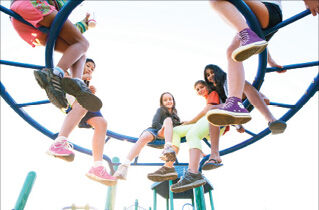
The Centers for Disease Control and Prevention recommends that children do 60 minutes of physical activity every day. P.E. at school might not be enough, so here are some other ways to build activity into your child’s day:
• Walk or bike to school. If you live close enough, this can be an easy way to increase your child’s activity level. If you have to drive, build in a few extra minutes to park farther away from school and walk. You’ll also avoid getting snared in school drop-off traffic.
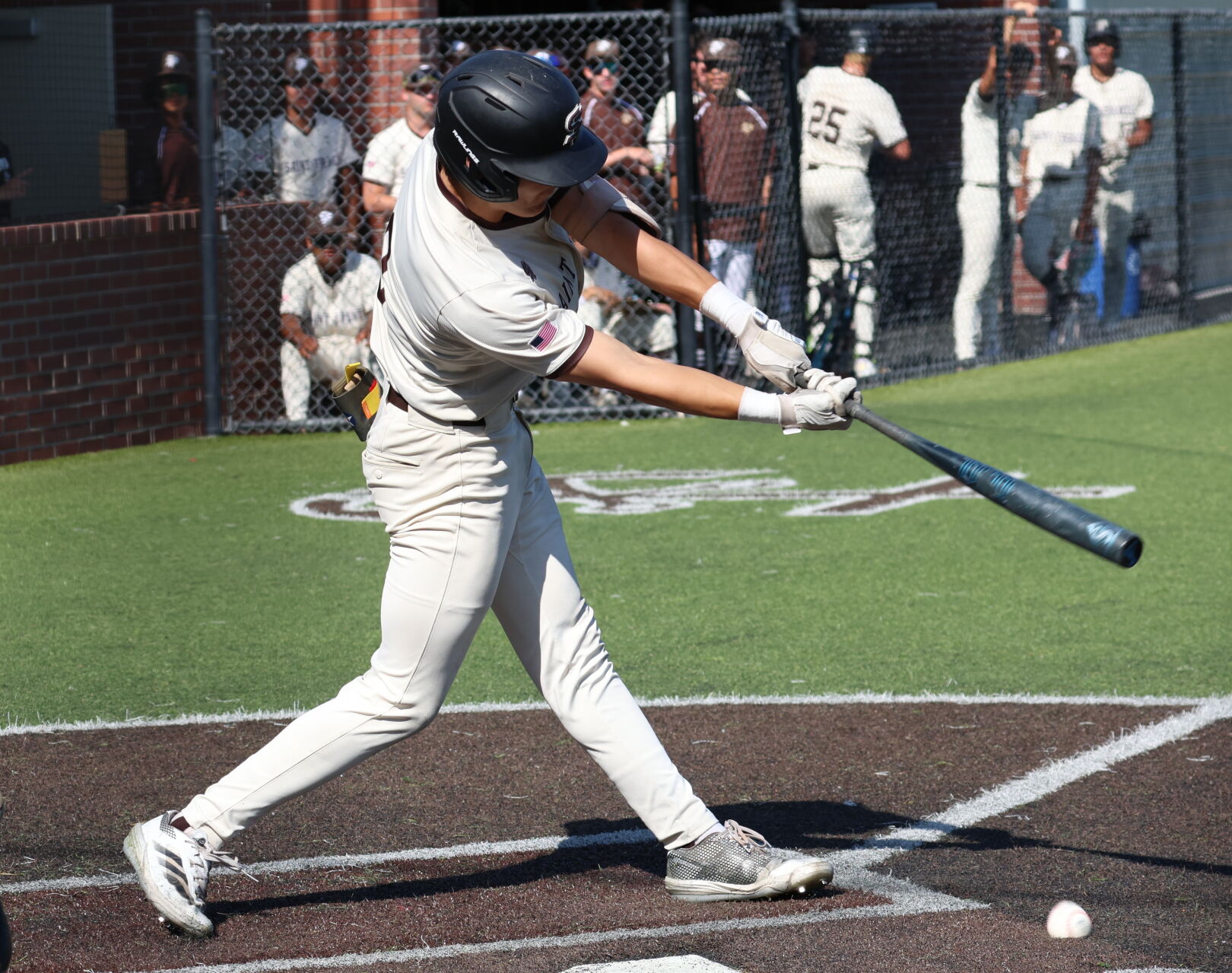
• Join an organized sport. Your child may enjoy soccer, baseball or basketball. Choose an age-appropriate program that emphasizes fun while being active.
• Make exercise part of your daily routine. Head out for a family walk or bike ride after dinner. On weekends, plan active outings such as a hike, a Frisbee game at the park or a hopscotch competition in the backyard.
• Limit screen time. Turn off the TV or computer and dance together to your child’s favorite music or head outside for a stroll. The American Academy of Pediatrics recommends limiting screen time to less than two hours a day for children ages 2 and up.
• Be a good role model. Your child wants to be like you. If you are active, your child is much more likely to want to do the same.
• Keep it fun. If your child doesn’t like a particular activity or sport, don’t force it. Encourage a variety of activities. If your child enjoys an activity, he or she will want to continue it.
Dr. Karin Wertz is a pediatrician at the Palo Alto Medical Foundation.