Los Altos’ budget problems were so deep-rooted, based on past years of head-scratching accounting, the city may need a few years of budget cycles to right the ship.
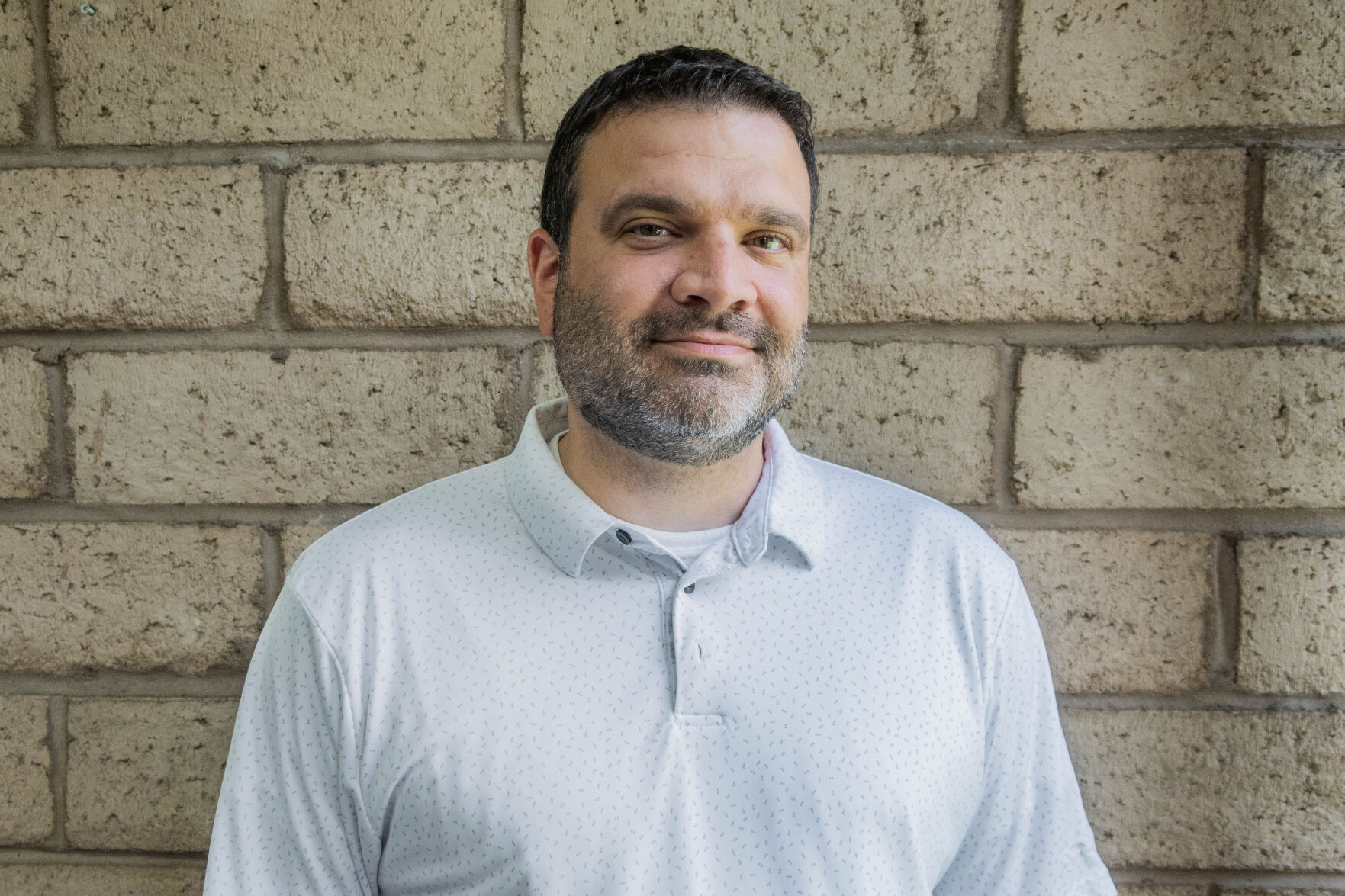
That was the read of City Manager Gabriel Engeland, who offered a frank assessment of the city’s financial picture at an April 27 online forum hosted by the grassroots group Los Altos Residents.
Engeland, the former Sierra Madre city manager hired last year for his financial acumen, said the city has been making progress in correcting bad habits – habits that included budgeting for projects that weren’t implemented and not seeking reimbursements for grant funding, which forced the city to cover with the general budget.
He pointed to an unimplemented streetscape project for First Street that had a $270,000 budget for it every year since 2016-2017, but no work to show for it. He also cited $1 million in park in-lieu funds – funds usually collected from developers to go toward park-related work – with no projects assigned. Another $211,000 was budgeted for streets and roadways, but no project was attached.
In other cases, the city underbudgeted for needs, such as replacing old playground equipment that was only budgeted last year at 15.4% of a projected $4 million-plus cost.
“We haven’t adequately planned for the future,” Engeland added. “We adopted a budget last year that was balanced, but it was balanced using maybe a little bit of government magic.”
Engeland offered examples of the city deferring items – he referenced an emergency generator purchased from the last century – and noted that some budget issues were more a lack of prioritization than a lack of money.
He displayed an image of two men pushing a truck stuck in the mud. However, the men were pushing from the bed of the truck instead of on the ground directly behind the truck.
“It doesn’t matter how hard you work if you’re not focused on the right things,” Engeland said.
Much of the problem could be attributed to turnover and the lack of personnel. According to Engeland, a new finance director, John Furtado, was only recently hired, and only one employee in the finance department has been with the city longer than nine months.
Signs of progress
Hope is on the horizon, however. In a midyear budget update last month, city officials reported better-than-expected revenues and elimination or reduction of previously budgeted items among the city’s prioritized capital improvement projects.
“We started the year with a $2 million deficit, unknown and unaccounted for,” Engeland said. “Council took a lot of actions at midyear to address this. They made some tough decisions.”
Engeland and Furtado are expected to lead discussion of a new draft budget for the 2022-2023 fiscal year next month.
Engeland also highlighted some shifting council priorities and the recent adoption of a Climate Action and Adaptation Plan – an ambitious undertaking that will demand the hiring of additional staff.
That’s been a problem for the city. According to Engeland, a recent management position the city advertised drew only two responses. He noted 51% of the staff had been on board less than five years.
“The environment we work in is constant turnover,” he said, with “very little institutional knowledge of our organization.”
He said the city compared its compensation and benefits packages with that of other nearby communities and discovered that while Los Altos paid at or above market rates, other benefits “weren’t even close.”
A newly adopted “compensation philosophy” is an attempt to address such shortcomings, Engeland said.
The city manager has adopted a “zero-based budget” practice in which funding precisely reflects the need assigned it.
“You try to find areas that are over-resourced and move them to areas of need,” he said.
Later on, he promised: “Moving forward, there won’t be a penny in the budget not attached to a project or person.”
Engeland sees signs of progress.
“We have a lot of great employees, and some we haven’t supported enough,” he said. “We talk of employees running their organizations with autonomy. I’m happy to report we are beginning to see quite a bit of progress.”
Freddie Wheeler, a member of the resident advocacy group hosting the webinar, thanked Engeland for his participation.
“Your candor and can-do attitude are really inspiring,” she said.