A stroke is caused by an interruption of blood flow to the brain, often resulting in impaired mobility, permanent loss of speech or vision, or even death, according to Bayer. One in four people will have a stroke in their lifetime, according to the World Stroke Organization, yet many don’t know the risk factors or understand the path to recovery (Feigin et al., 2025).
Dr. Sara Hegab, vice president, Stroke & Thrombosis, Specialty and Pipeline, U.S. Medical Affairs at Bayer, is sharing stroke facts that everyone should know.
What lifestyle changes reduce stroke risk?
There are five general lifestyle changes you can focus on to help reduce your risk of having a stroke:
1. Incorporate basic exercise into your daily routine.
2. Control cholesterol levels, high blood pressure and diabetes. Talk with your doctor about any medicines or lifestyle changes you may need to help you with this.
3. Avoid smoking, which greatly increases stroke and cardiovascular disease in general.
4. Maintain a healthy weight.
5. Pay attention to nutrition. A healthy, balanced diet helps ensure you’re getting vital vitamins and nutrients and helps control other risk factors.
What are the warning signs of a stroke?
According to Bayer, the most common warning signs of stroke are weakness in the face, arm or leg, particularly on one side of the body; trouble speaking; vision problems in one or both eyes; severe headache; and dizziness or loss of balance and coordination. Rapid medical treatment is vital.
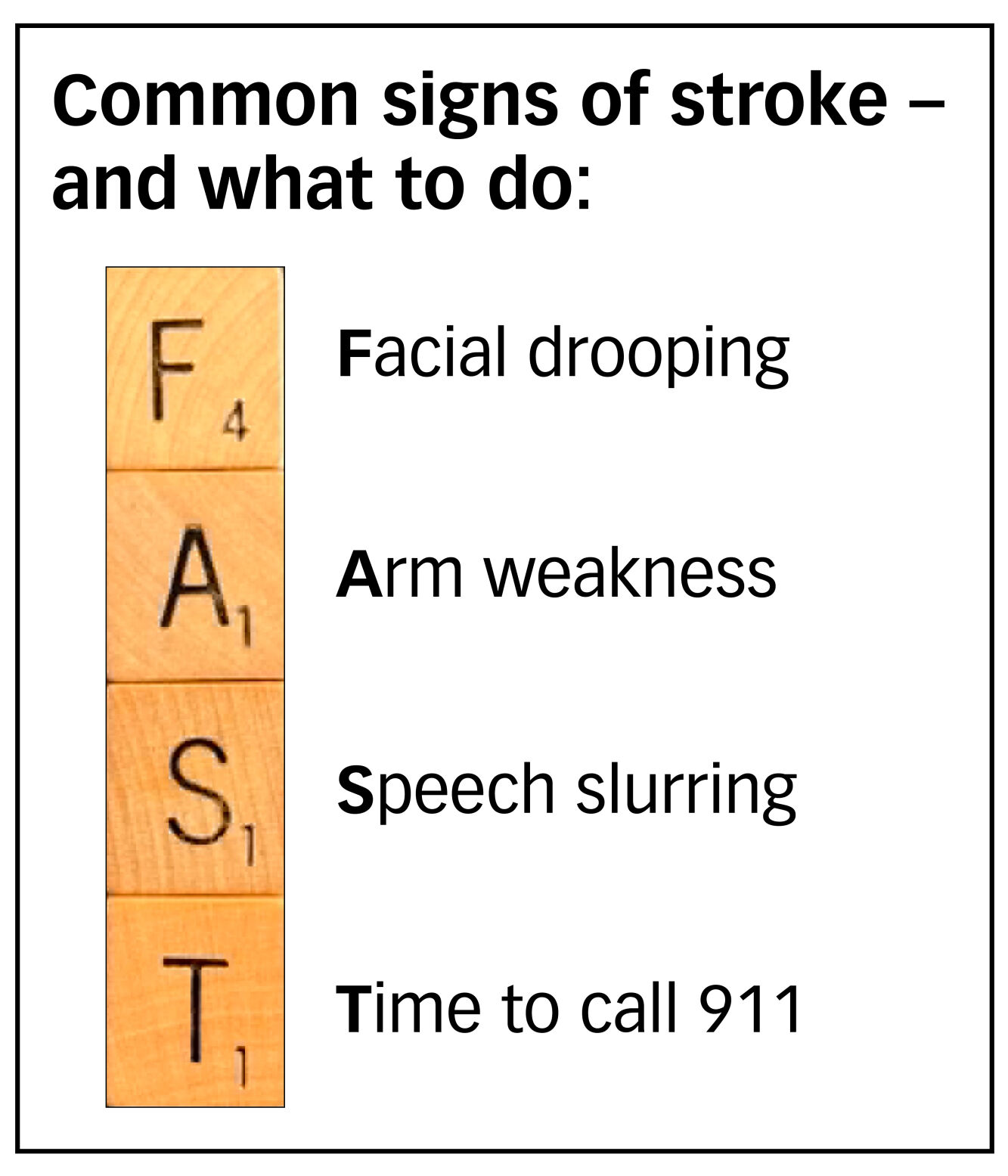
Patients and care partners should know the “FAST” signs (Face drooping, Arm weakness, Speech slurring and Time to call 911) to recognize if someone might be having a stroke.
What can I expect after experiencing a stroke?
No two strokes are the same. Some survivors experience minor short-term effects. For others, it’s a life-altering event with long-term disability and complications, impacting everyday things we sometimes take for granted, like speech, balance and coordination.
Recovery is a process addressing a combination of the physical effects (like weakness, stiffness and numbness), cognitive effects (challenges recognizing, remembering and processing information) and emotional effects (like anxiety, sadness, anger and frustration), according to Bayer.
In addition to medication, your doctor may recommend gentle rehabilitation exercises and structured rehab programs, either in a hospital, inpatient facility or at home, which may include physical therapy to rebuild strength and mobility, occupational therapy to support daily activities and speech therapy if communication or swallowing is affected. Patient support networks can also be crucial for mental well-being and recovery.
What lingering symptoms are normal after a stroke?
Because the brain is such a complex organ, not every stroke affects every person the same way. However, it’s normal to experience fatigue, vision problems and difficulties with balance, coordination or general movement. Be patient with yourself if you find it hard to remember, recognize and process information the way you did before the stroke. Talk to family, friends or doctors about your anxieties or fears. It’s important to be seen and heard, and to know that you’re not alone.
Can you fully recover from a stroke?
Full recovery from a stroke is possible for some, but many patients will continue to experience minor impairments or lifelong disabilities.
Depending on the severity of the stroke, recovery may take weeks, months or even years, but tends to be most rapid in the first three months after the event, according to the Centers for Disease Control and Prevention. Rehabilitation with speech, physical and occupational therapists may help your brain and body more quickly “relearn” the skills you can lose after a stroke.
How can a caregiver support someone recovering from a stroke?
Behind every survivor is someone who helps lighten their burden. Caregivers should be patient with anyone adjusting to life after a stroke. Celebrate their small victories, listen to their fears and anxieties, and help them conduct research and explore support groups if desired. If possible, accompany them to doctor appointments. Patient empowerment through education, making lifestyle changes, speaking up, and shared decision-making with their healthcare team can help shape their road to recovery. Being a care partner can be a demanding role, so take breaks, lean on family and friends for help, consider joining a care partner support group, and maintain your own health through nutrition, exercise and rest.
What increases my risk of another stroke?
In addition to lifestyle factors, people who have already experienced a stroke face a high risk of a second event (Feigin et al., 2023). It is estimated that 20-30% of the 12 million people who experience a stroke worldwide each year will have a recurrent stroke, with one in five survivors suffering another within five years (Feigin & Owolabi, 2023; Kolmos et al., 2021). That’s why it’s crucial to remain under a doctor’s supervision, to take any medications as prescribed, and to adopt healthy habits.
How do I prevent another stroke?
Research shows that 80% of recurrent, clot-related (ischemic) strokes can be prevented (Centers for Disease Control and Prevention), and a second stroke is often more disabling than the first (Feigin et al., 2023). Work with your health care team to address the underlying factors that led to your stroke. Bring a list of questions to your doctor appointments and help create a tailored prevention plan. This may include medicine or procedures or lifestyle changes. Be sure to take your medicine as directed and follow your doctor’s instructions.
For more information, see stroke.org.