The best time to plant natives is around the beginning of the rainy season, so seasonal rains can help roots get established. But many gardeners plant year-round, for a variety of reasons: more time available on summer evenings than in the dark days of winter, or a spot in the garden opens up, for instance.
This year, I’ve spent months installing a large area of natives at the same time as I was planting a big edible garden. Both projects have taken considerable time and energy, with the result that neither garden will be fully planted before the Fourth of July.
Planting in midsummer does require more careful attention to each plant, and it’s risky to plant natives that are especially sensitive to summer water. A plant that needs “no water after planting” is not a good candidate for summer planting, nor is one that typically goes dormant in summer.
Surprisingly, a few basics apply whether the plantings are annual edibles or perennial natives. Assuming the soil is in reasonable shape, the first step is to dig a hole not much bigger than the root ball and fill it with water. Once it drains, fill it again. At my edible garden site, very fast draining usually indicates a gopher tunnel. Conversely, very slow draining tells me that a plant at that location will become waterlogged unless I fork the soil more and perhaps plant in a mound. I add compost for edibles, but none for natives. Break up the root ball and tease the roots apart, mixing the looser, richer soil in the pot with the garden soil taken from the hole (a notable exception is plants in the squash family, which won’t tolerate root disturbance).
For natives that require good to excellent drainage, plant in a berm or mound to ensure the root crown cannot get waterlogged.
Timing matters. It’s a good idea to watch the weather forecast and avoid planting on windy days or during heat waves. In the summer, I always plant toward the end of the day so that the roots can become acclimated to their new surroundings overnight.
Mulch with approximately 2-4 inches of arborist mulch, then water deeply, in a circle around the plant to encourage roots to grow outward.
My key to successful plant establishment in past summers has been shading the new plants from the brutal afternoon sun for at least the first couple of weeks. Protecting plants on the south and west also keeps them from drying out in the sun while they are growing new roots.
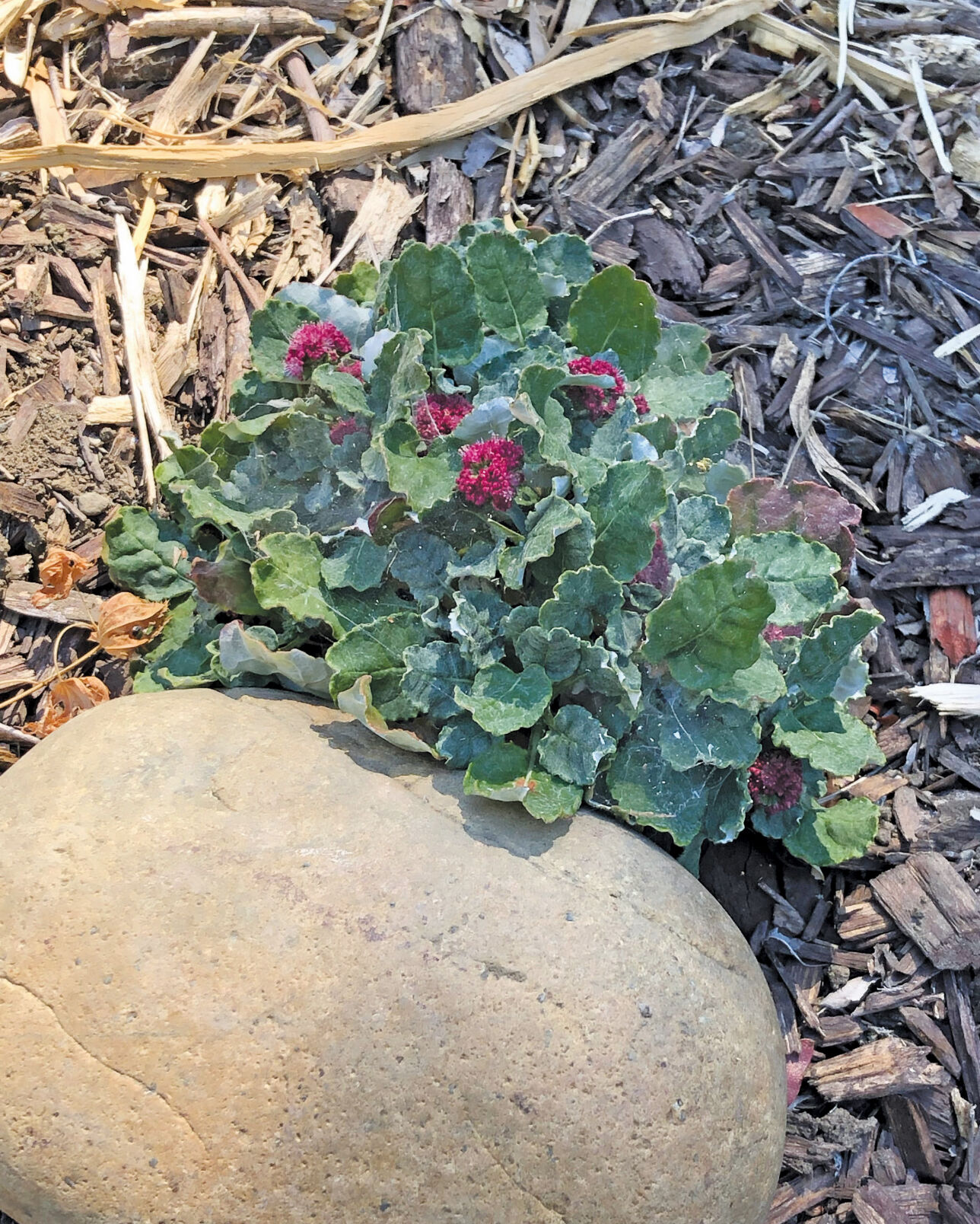
Finally, placing a nurse rock on the south or west side of a plant also can help keep the roots cool.
Wise watering
In the summer, newly planted natives – even if they are drought tolerant – will need to be watered. But natives are susceptible to fungal diseases fostered by warm, wet soil in the top 6 inches.
According to Tree of Life Nursery, “Root rots and other disease organisms are most likely to infect plants in summer, in instances where there is too much water, not enough oxygen, and soil temperatures above 72 F. Frequent shallow waterings often provide the conditions fungal root rots need to attack native plants.”
Thus, it is important to water deeply and slowly, only when the top 3-4 inches of the soil is dry, at the drip line to encourage roots to spread outward, and only during the coolest part of the day. The goal is “to promote rooting into deep cool moist soil, 10-18 inches deep,” the nursery advises.
In addition to these “infrequent deep soaks,” Tree of Life Nursery suggests “refreshing sprinkles”: briefly showering the entire garden for five minutes at the end of the day to cool down the plants, up to twice a week. The frequency and amount of watering depends on your soil and the specific plants. The websites of Tree of Life (californianativeplants.com) and Las Pilitas (laspilitas.com) nurseries both offer guidelines for watering natives.
Tanya Kucak gardens organically. Email her at [email protected].