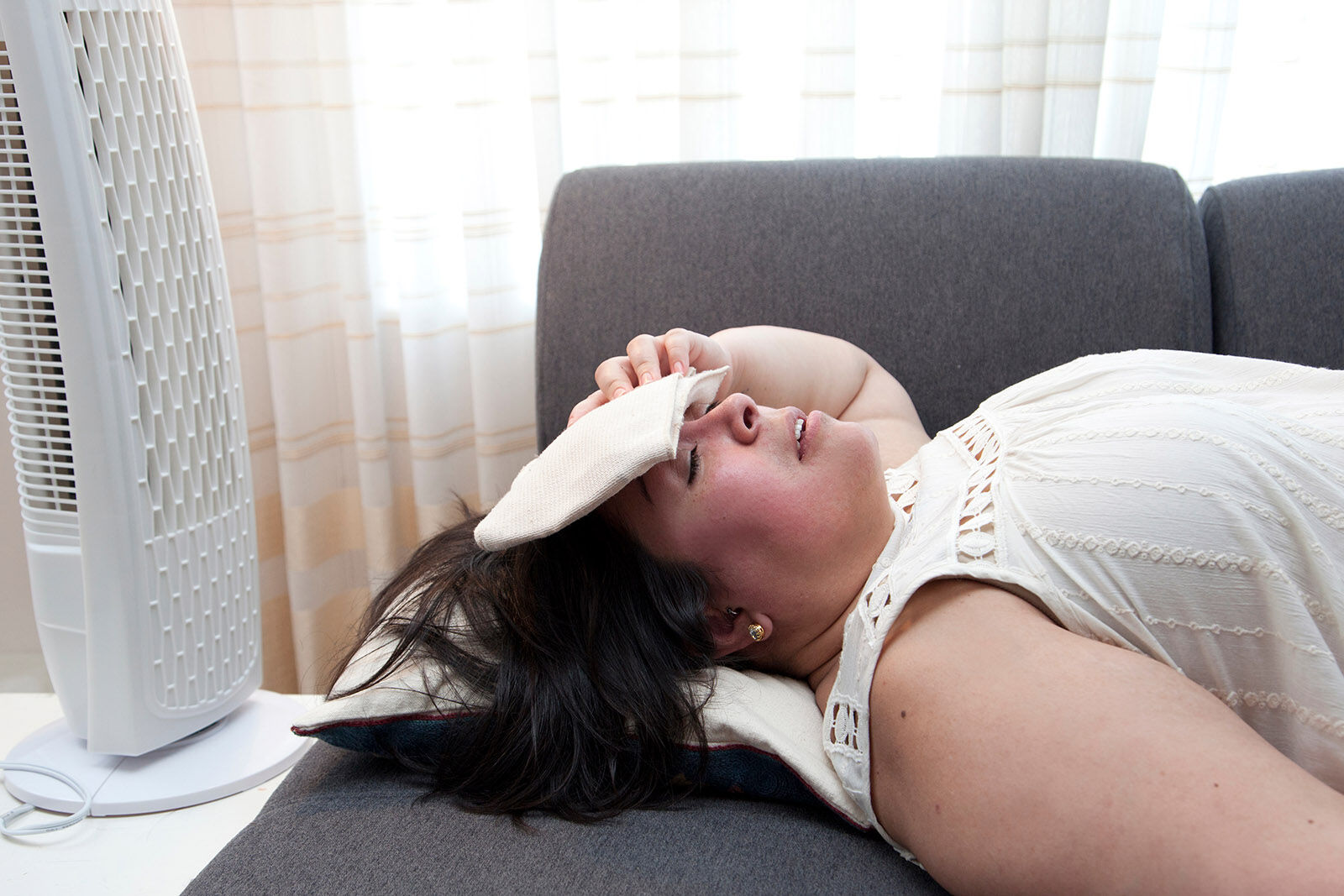
This year’s hot season came early in the Los Altos area, with temperatures reaching triple digits last week during a time of year in which the average has historically trended below 80 degrees. Climate experts warn that extreme weather conditions are becoming closer to the norm than they are outliers, so there is no better time to assess techniques for keeping your home cool.
The following tips aim to help homeowners and apartment dwellers alike save on electricity, while also encouraging adoption of more environmentally friendly practices in the home.
• Be strategic about open windows. During hot summer days, consider whether it is colder outside or inside the home, and strategize window opening accordingly. When it is hotter outside, you are not better off opening the windows to create a breezy effect. Instead, only open windows once the air outside has cooled to a lower temperature than inside so that the temperature equalizes and the hot air inside is drawn out.
While this advice may be obvious to some, many people falsely believe that increasing air flow in the home will help cool it off.
• Become a fan of fans. Both standing and overhead fans can help create a cooling effect in the home, despite not actually changing the temperature. Make sure overhead fans are set to turn counterclockwise so that they direct the breeze downward. At night, when you open your windows, direct box fans outward to more efficiently blow the hot air outside.
• Make home improvements. Keeping cool in the summer is all about keeping cool air in and hot air out. Drafty windows and cracks around door frames create a problem in both winter and summer, reducing heating/cooling efficiency and raising the costs of your temperature control. PG&E recommends caulking the gaps, but there are other options to consider if you are not handy.
Draft stoppers are dense tubes that can be placed on the bottom edge of the window frame to create a better seal. Similar products are available to put under door frames to reinforce insulation. However, depending on how old your windows are, it may be financially worth it in the long run to replace windows with energy-efficient models that help block the rays of the sun while maintaining visible light within the home.
If you find that caulking and weatherstripping are not enough, you may want to hire a qualified technician to conduct an energy assessment that can reveal the location of air leaks in your home. These technicians inspect baseboards, electrical and gas service entrances, vents and more for any cracks or gaps that could cause air leaks.
• Run air conditioning, but be smart about it. With temperatures reaching all-time highs in Los Altos and Mountain View, it may be best for health and safety reasons to run your air conditioning. One of the most important things you can do to make sure your AC is running most efficiently is to check, clean and replace the air filters on your HVAC system regularly. Not only will this reduce energy consumption, it also will improve the quality of air circulating throughout your home.
Do your best to avoid steep temperature changes in order to lower energy consumption. Instead of turning your AC on at the hottest point in the day, set your thermostat consistently to the warmest temperature you can live with so that your HVAC system can maintain this setting and not have to consume extra energy to bring it down from extreme temperatures.
• Get out of the house and to neighborhood cooling centers. Keep up with local city government social media for announcements of dates and locations of cooling centers. Local libraries are reliable spaces with air conditioning where people can experience relief from the heat, but on certain hot days sites such as the Mountain View Community Center and the Robert K. Schatz Police Services and Fire Administration Building lobby are occasionally open as cooling centers as well.
• Check on vulnerable friends and neighbors. Hot temperatures can be particularly devastating to the most vulnerable, including seniors, the chronically ill, addicts and those experiencing housing insecurity. The Santa Clara County Office of Emergency Management recommends helping people get to an air-conditioned space if they don’t have access to cool shelter.
For more information on local cooling centers, visit bit.ly/3NbAdR2.