Green weddings take on a very literal meaning when florists and do-it-yourself crafters use living plants to take the place of yesterday’s roses and baby’s breath.
At The Botanist, 170 State St. in Los Altos, cut flowers completely left the premises as the drought carried on year after year, and orchids, ferns, air plants and succulents offer inspiration for event decor.
“They’re fun because they go with any kind of display – you can pair them with glass or candles,” said The Botanist’s Stephanie Dakin.
Potted plants can range from the large – trees and ferns that bring the green inside, or substantial centerpieces – to the petite, with tiny favors and place-card holders for guests. Succulents may be the safest route, requiring the least tending, and with a better-than-average likelihood of surviving past the day.
But other brides have played with herbs, potted roses and assorted foliage. Each selection requires advance research to know how early you must start the project and what drainage and watering your artistic schemes require.
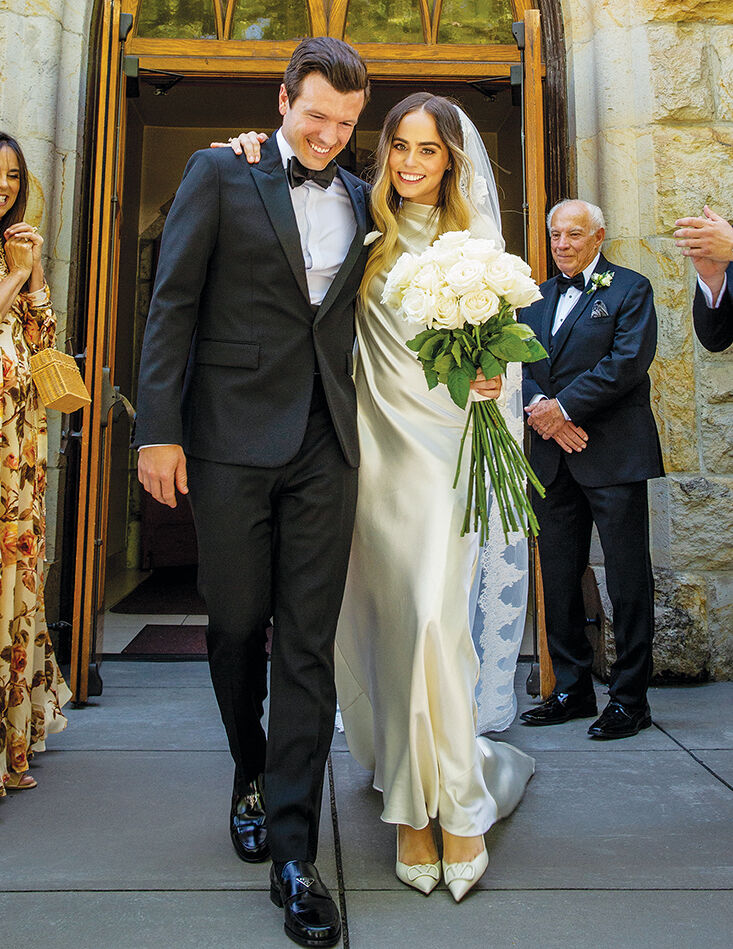
Los Altos native Jenna Schick worked with Darcy Craig’s Seascape Flowers in Aptos to incorporate succulents in her bouquets and floral arrangements for shots of green amid the peonies at her wedding to Harrison Howard at Carmel Valley Ranch last May. The resort boasted fields of lavender in bloom, sprigs of which were used in decorating and in the farm-to-table feast.
Unlike exclusively cut-flower bouquets, succulent stems can act as a root, allowing you to plant some or all of your bouquet for a sentimental next act.
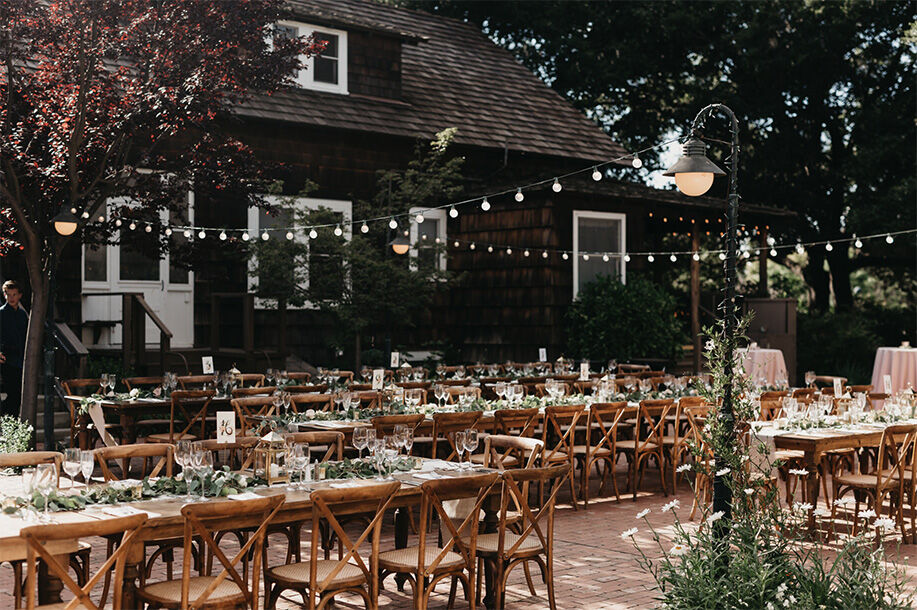
For an August wedding in Seattle, I – or rather, my long-suffering mother and aunts – started potting ferns and native flowers months in advance so that they’d sport lush growth by the time we carried them into place on tables and around the chuppah.
Whether they’re terrariums or simple succulents set into tiny rounds of wood, greens can combine decor and treats for guests. A bit of ribbon and tags or flags can be added to create place cards or a dinner menu, making table decorations multipurpose. Vintage glassware can also be used to make terrariums and table decor of different sizes, from wine glasses to teacups to fishbowls.
May the green be with you
Sue Schuster accidentally started a small Bay Area wedding enterprise last month when she helped her daughter Carly Schuster design a “Star Wars”-themed wedding in Davis, with terrariums depicting the individual ecosystems of Hoth, Dagobah, Tatooine and other planets from the “Star Wars” universe. The custom textiles, buttons, stamps and figurines Sue used to set the scene in and around the terrariums inspired one pair of guests to hire her as a consultant on their own upcoming wedding.
“We had fun putting the miniatures in, using little demitasse spoons to dig holes and chopsticks to place characters in the backs of the terrariums,” Sue said.
“Some of the worlds were easier to make than others,” Carly said. “The ice planet Hoth presented a bit of a conundrum. We had to settle for white rocks and fuzzy white cactus to get the right effect.”
The terrarium inspiration came about as they were thinking about the many different worlds of “a galaxy far, far away.”
“They are such a wonderful part of the wider ‘Star Wars’ mythos,” Carly said of preparing for her wedding to a fellow geek, Tim Hermanas. “In terms of execution, the most time-intensive part was collecting all of the thematic miniatures (mostly purchased on Etsy) for each world, which we did about six weeks in advance.”
For DIY pointers on planning your own wedding greens, visit this story at losaltosonline.com. DIY terrarium pointers
• Local hardware stores will often carry all the ingredients you need, from glass receptacle to succulents.
• Layer dirt and rocks to create visual appeal and facilitate happy, well-drained plants. Use a bottom layer of charcoal to absorb water and prevent plant rot. The Schusters used sand, gravel and mulch for the different “Star Wars” worlds, shiny black sand for “space station” terrariums and white sand for the ice planet.
• Think through the watering needs of different elements in your creation – Tillandsias (air plants) need a monthly soak and thorough dry, while succulents prefer a spritz every few weeks but never want a thorough wetting.