

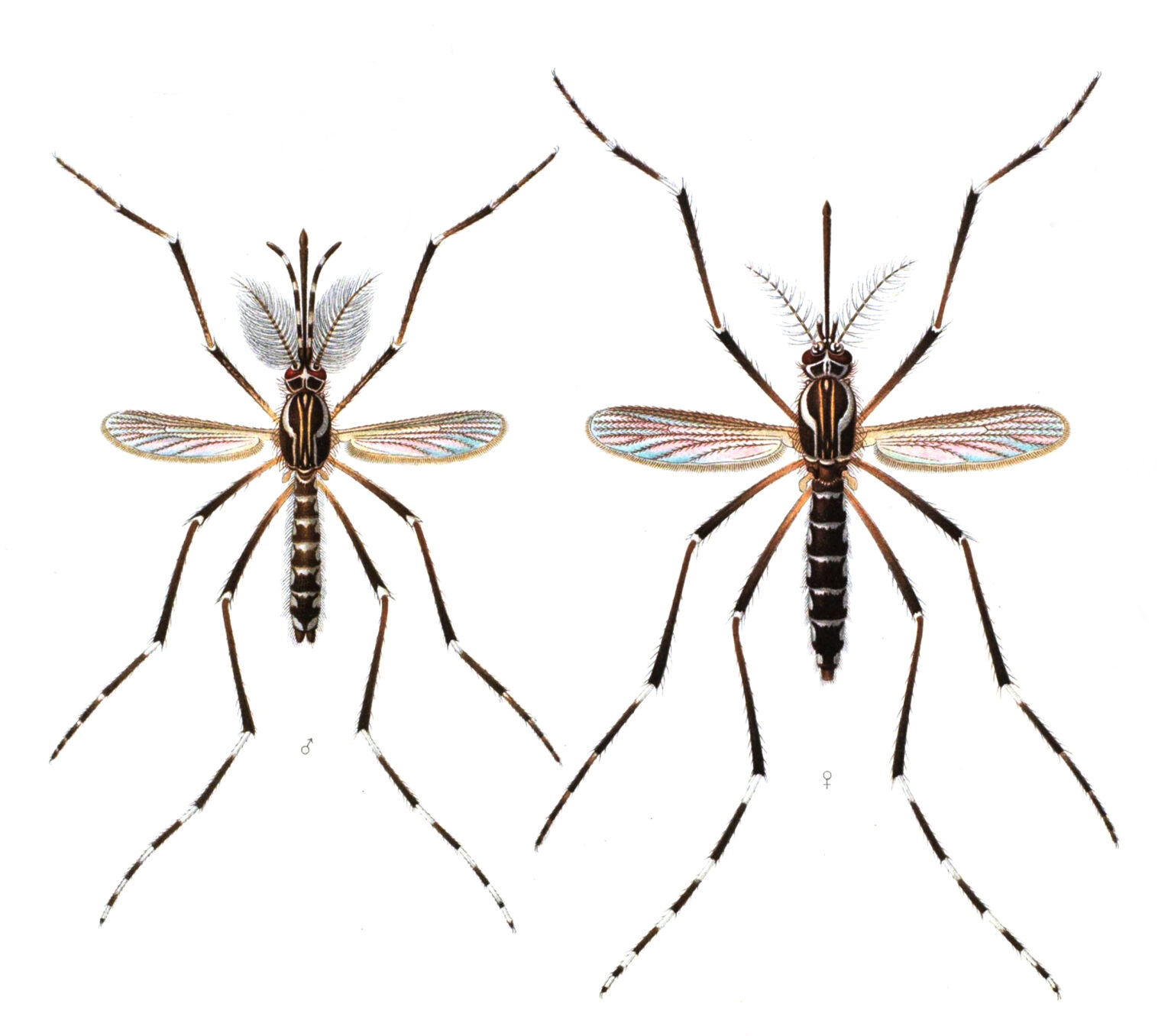
A non-native mosquito species, associated with the spread of Zika virus, dengue, yellow fever virus and chikungunya virus, has been found within the city of Los Altos.
This mosquito species, Aedes aegypti, may pose a greater threat to residents due to its preference for mammal blood and tendency to be more active during the daytime.
“People tend to notice this mosquito more, they find it to be more of a nuisance. It also is just more aggressive at pursuing people,” said Taylor Kelly, the scientific technical services manager at Santa Clara County mosquito and vector control.
Kelly explained that mosquitoes are typically more active during the evening and early morning, when people are less likely to spend time outdoors. However, Aedes aegypti is active closer to midday.
“There is significant nuisance,” Kelly said. “One thing that we hear from other areas that are experiencing heavy infestation is that residents feel that they really can’t enjoy the daytime outdoors freely anymore without wearing insect repellent.”
Additionally, Aedes aegypti prefers mammal blood, meaning they actively pursue human populations.
Other mosquito types, such as the species that carry West Nile Virus, show a stronger preference for birds as a blood source.
Kelly said that Aedes aegypti is highly unlikely to carry West Nile Virus, but it does carry other diseases which residents should look out for.
Zika, dengue, yellow fever and chikungunya can all cause fever, malaise, joint pain, rashes and headaches. In severe cases, these symptoms can lead to hospitalization.
Aedes aegypti was first discovered in Santa Clara County, in Milpitas, in 2022. Since then, it has been found in several Santa Clara County cities, most recently Los Altos in September 2026.
This mosquito species has black and white stripes on its legs and body, and is able to spread to new areas easily.
Kelly cautioned residents to avoid creating and maintaining mosquito sources by removing any outdoor standing water.
“Mosquitoes need standing water for their eggs to develop,” Kelly said. “This mosquito is able to breed in very, very small amounts of water, as little as a bottle cap, so keeping yards clean, clutter-free, and making sure that water can’t stand and pool in little container sources for more than a week is the first thing that we ask residents to do.”
Kelly added that anyone experiencing an uptick in daytime mosquito bites can reach out to vector control and a service technician will survey the area for breeding sources.
For more information, see vector.santaclaracounty.gov/invasive-mosquitoes/aedes-aegypti.





