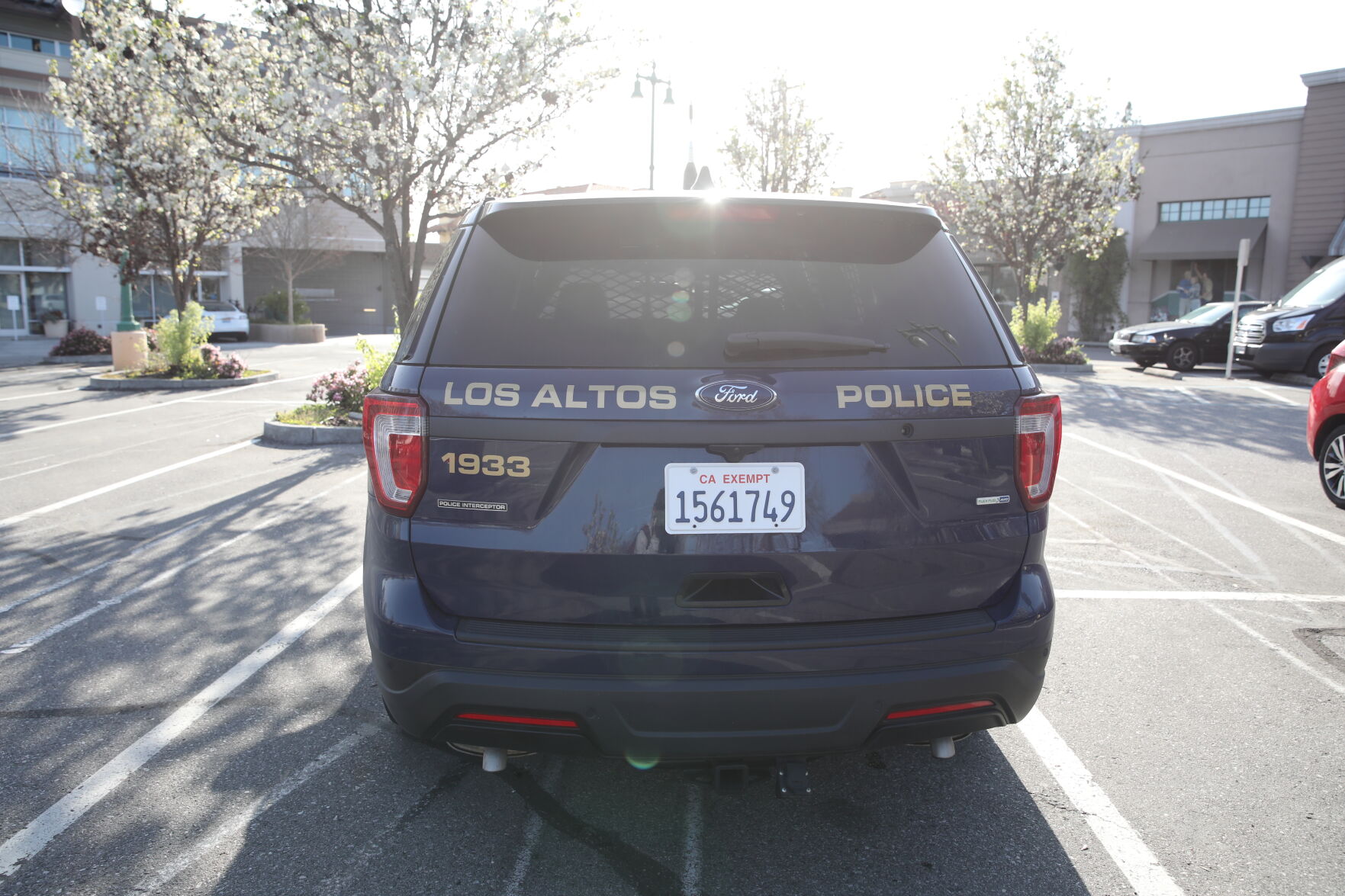
The Los Altos Police Department has two new first responders responding to calls for service within city limits, and they’re not people: They’re drones.
The city’s Drone as a First Responder (DFR) program went live March 5. First introduced to Los Altos City Council Sept. 30, 2025, the police department requested the addition of drones for its DFR program. The DFR program, present in nearby cities including Campbell and Atherton, would allow drones to respond to in-progress events.
Connected to the department’s computer-aided dispatch system, staff can choose when to deploy the drones. The city’s two DFR drones can respond to calls for service within 90 seconds anywhere in the city, according to Los Altos Police Chief Saskia Lagergren.
One of the drones is docked in north Los Altos and the other is docked in south Los Altos. Since going live March 5, the city had “… already deployed a drone on several calls today, including a few residential alarm calls. The drone arrived on-scene in less than a minute on one of the alarm calls, so this will be a game changer for public safety.”
The drones are provided by Axon Air, which provides end-to-end drones often used in DFR programs. The City Council approved the Drone as a First Responder Program in September 2025 and a five-year contract with Axon in November 2025.
The contract went into effect March 1.
While the police department already implemented the use of drones, their operation was dependent on operation by the department’s seven FAA-certified pilots – some sworn officers and others members of records and dispatch staff – and only used under specific circumstances, like searches and rescues, crime documentation and select roof inspections, Los Altos Police Captain Katie Krauss told council last year.
“… Deployment on that is reactive, so it’s not like it’s going out proactively and doing any kind of surveillance of anybody,” she told council.
While the other drones’ initiation required a certified pilot and spotter present – it also needs to be within eyesight of the operator and spotter at all times – that’s not needed with the DFR program.
The drone will often beat other first responders to the area of a report, and a live feed of the scene can be shared with officers who are still en route. The drones may also help resource allocation, allowing officers to decide response prioritization when two events are happening simultaneously.
“We are excited to have launched our Drone as a First Responder program, which will enhance response times, improve situational awareness and strengthen our commitment to community safety,” Lagergren stated in an email.