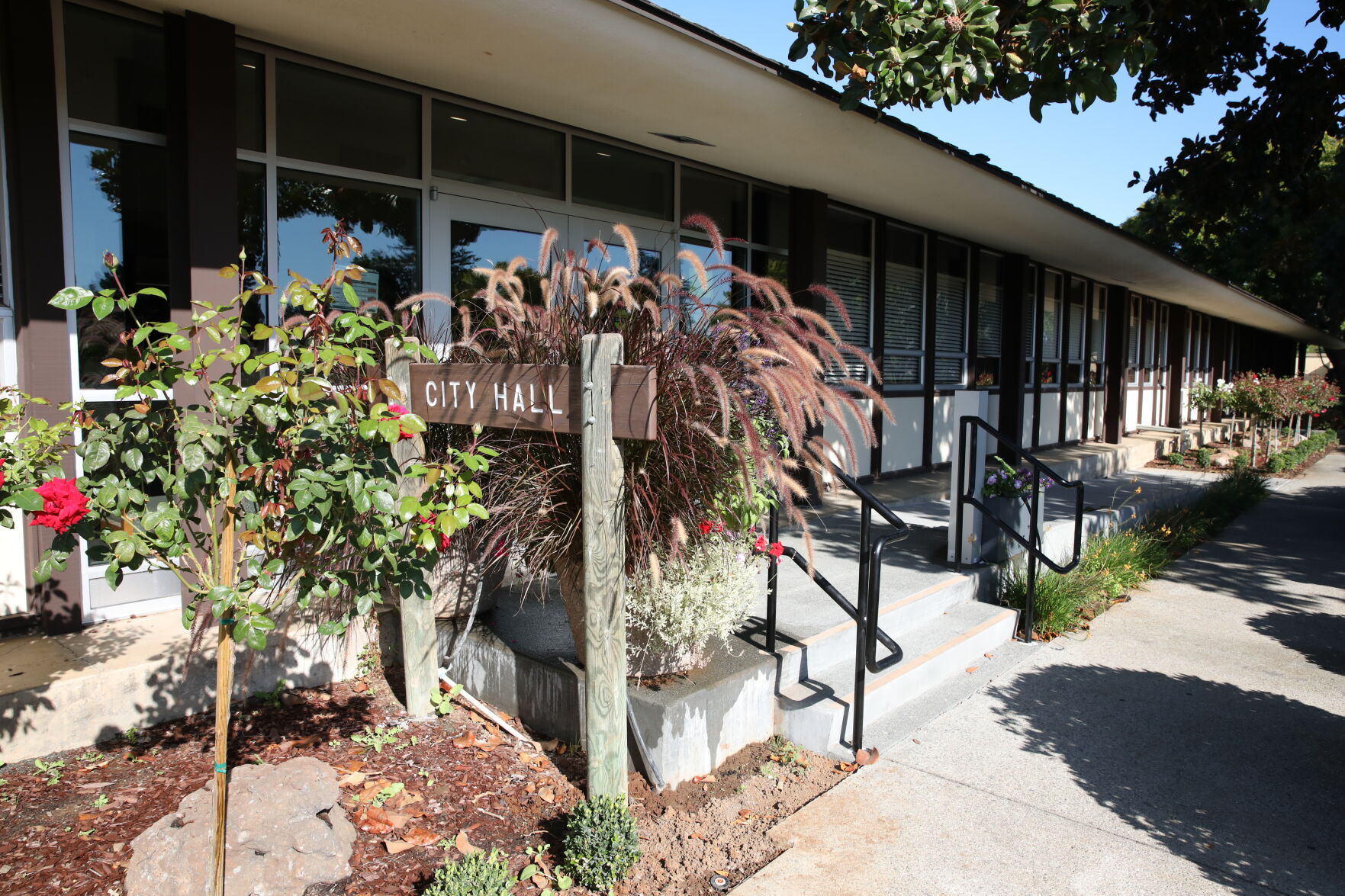
The homes of Los Altos residents with gas appliances looking to renovate may be getting a little greener after Los Altos City Council members voted to implement a residential electrification rebate program.
The program, unanimously approved by City Council Tuesday, came at the instruction of the council. Council members directed the Environmental Commission and city staff to establish the incentive program with an initial $75,000 allocation to encourage residential building electrification and other climate goals – like reducing greenhouse gas emission – according to a staff report.
“It directly helps improve the local air quality by removing combustion appliances, which means less pollution where we live and work,” Tania Katbi, Los Altos Environment Commission liaison, told council at the Dec. 9 meeting. She said that the rebate would further the city’s Climate Action and Adaptation Plan, of which the ultimate goal is carbon neutrality by 2035.
The City Council initially voted to enact reach codes, local requirements reaching beyond state requirements, in 2022 that required all-electric construction for ADU (accessory dwelling units) and most new construction, Katbi told the Town Crier in 2024. The city was prepared to extend the codes to all new construction and some major remodels, she said, but those hopes were thwarted by a 2023 federal court ruling against the city of Berkeley that nullified laws requiring all-electric appliances in new construction or major remodels.
The program focuses on two different appliances: heat pump water heaters and heat pump heating, ventilation and air conditioning units. It’s a collaboration between the city of Los Altos and Silicon Valley Clean Energy (SVCE) – approving the program was the first step. SVCE will also have to approve the program for it to go into effect (currently, it’s set to be implemented sometime in spring 2026).
SVCE is a nonprofit agency that provides clean energy to 96% of residents and businesses across parts of the local and greater community. It’s also dedicated to minimizing communities’ dependency on fossil fuels and greenhouse gases. Councilmember Sally Meadows currently serves as an SVCE director.
Katbi said the program was designed to maximize outside funding. SVCE would be administering the city’s rebate – $1,000 per appliance – in addition to its own rebate, $2,000 for heat pump water heaters and $2,500 for heat pump heating, ventilation and air conditioning units, per appliance. The total $3,000 and $3,500 rebates are set to be provided on a first-come, first-served basis, Katbi said.
The rebate program will be exclusive to SCVE customers “for administrative streamlining,” Katbi said. That includes approximately 95% of Los Altos residents.
Councilmember Neysa Fligor was interested in expanding the $1,000 Los Altos rebate to Los Altos residents who aren’t SVCE customers, and Katbi said city staff are still exploring how to make that happen.
“We’re hoping to learn about the administration of the program through SVCE and leveraging what they know,” she said. “So we would need to come back on that after we look into it more.”
Dave Cain, a volunteer at the Electrification Collaboration – a civic initiative to help Los Altos meet its building emission goals – said he was elated the program was approved. Cain, along with other members of the Electrification Collaboration team, believe incentivizing and showing people why going all-electric is more beneficial than mandates.
“It’s really the solution to climate change unfolding before our very eyes,” Cain said in a phone call after the council meeting. “And it’s informative at a local level, and in the neighboring cities that we live in, we’re seeing it at the state level. It’s really exciting. It’s not mandates, and it’s not regulation, it’s voluntary action.”
Because the rebate is an incentive to encourage residents to transition from gas appliances to electric, eligible appliances must be exclusively gas-powered, Katbi said. The rebate is also exclusive to residential buildings.
“The rebate process is pretty straightforward and simple,” Katbi said. “First the applicants will reserve a rebate, hire a qualified contractor, choose an appliance, apply for permits and cap the gas line to the specific appliance before they submit their final request.”
After reserving a rebate, the resident will have 120 days to submit the final request or the rebate is no longer reserved, she said. Additionally, gas meter removal is not required for the rebate, she added, and other gas appliances would not be affected.