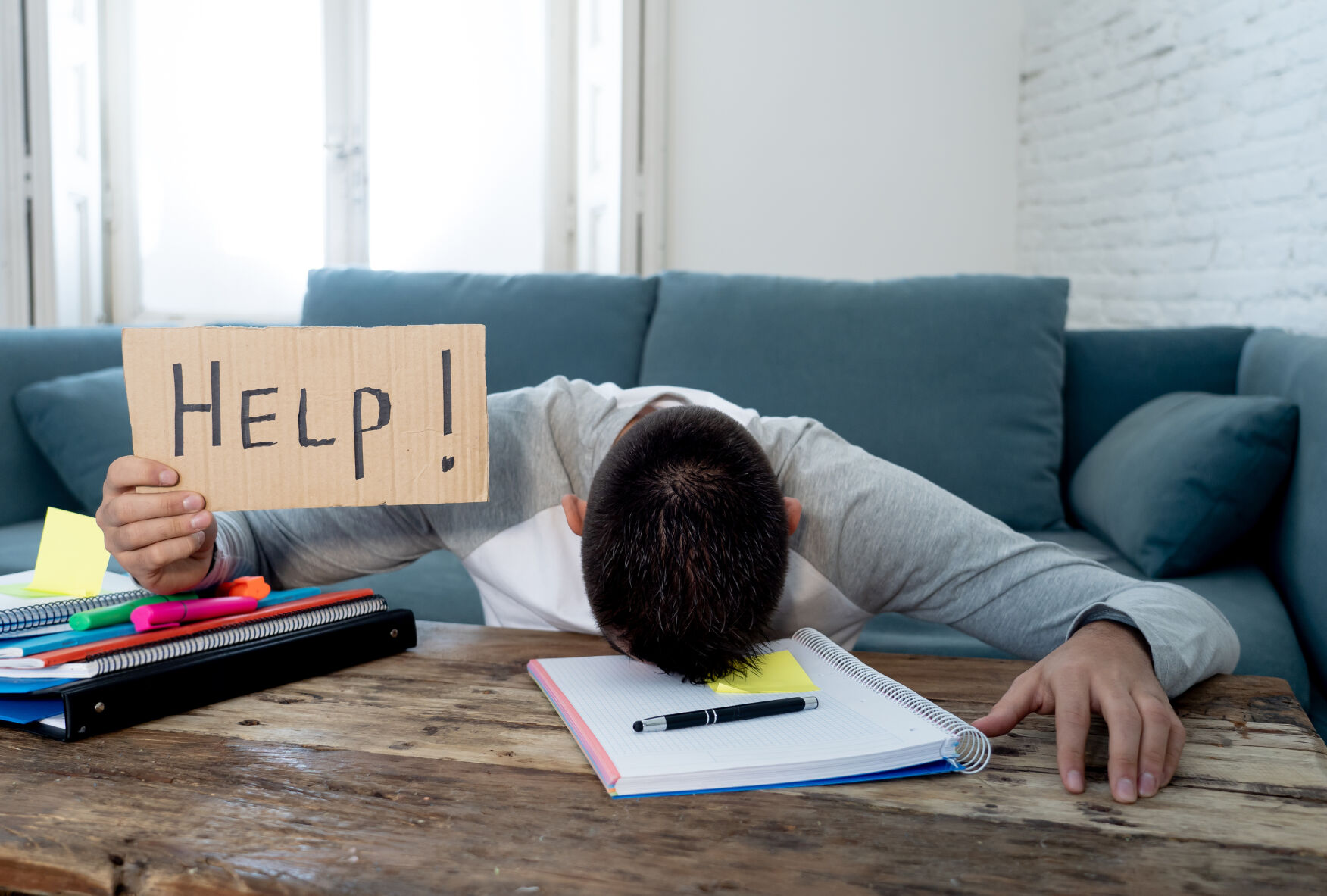
A passionate student activist and local mental health agencies are working to tackle the multi-faceted effects of the pandemic on children and adolescents.
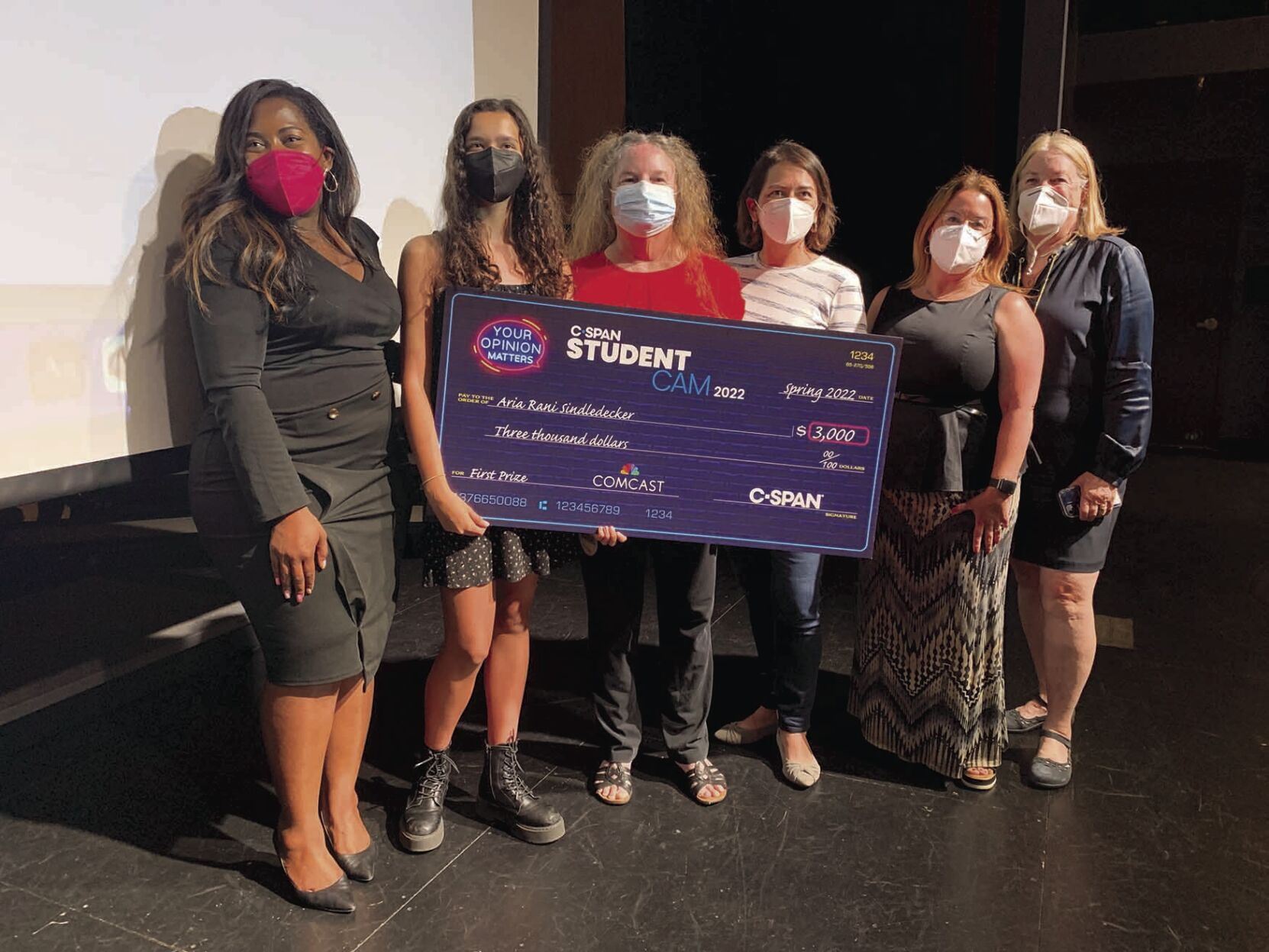
For the past two years, Graham Middle School eighth-grader Aria Rani Sindledecker, has entered C-SPAN’s annual student documentary competition in an effort to raise awareness of mental health – and this year she won big.
The Mountain View resident won first place and $3,000 for her documentary “Stigma-Free Nation: Pathway to Parity,” her second short film on the subject of mental health. She told the Town Crier that seeing her peers struggle with their mental health spurred her to speak out.
According to Rani, the pandemic has made the mental health crisis even more acute among her peers.
“I’ve seen it even more among the people I’m closest to,” she said, “and I really feel this needs to be addressed.”
Rani noted the ongoing effects of the lockdown.
“We were lonely for such a long time that now that we’re coming back, a lot of people are feeling just so overwhelmed,” she said, adding that anxiety, depression, obsessive compulsive disorder and ADHD have been “heightened” by the return to school.
The Community Health Awareness Council, which offers school-based services at Mountain View and Los Altos schools, reports seeing more social anxiety in adolescent patients.
CHAC executive director Marsha Deslauriers told the Town Crier that teens in particular are struggling with their sense of self-image as they re-emerge from quarantine.
“When re-engaging in person, they often look quite different than they did pre-pandemic, which manifests in anxiety,” she said.
The National Alliance on Mental Illness found that one in six adolescents (ages 12-17) experienced a major depressive episode in 2020 and a 31% increase in mental health-related emergency department visits that year.
Advice for parents
Rani had advice for parents: Listen.
“I think a lot of adults believe that we’re very immature, especially middle schoolers,” she said, arguing that mental health should be addressed earlier than in high school or adulthood. “The truth is, mental challenges don’t start in high school, they start in middle school. And that’s the biggest time we need to start focusing on mental health, and we have to listen to our teens about how to address these topics.”
In addition to listening, Deslauriers said parents can help their children develop healthy coping mechanisms by being transparent about their own stressors and sharing how they cope. Don’t worry about perfection, she advised, “allow your kids to make mistakes – we can raise anti-fragile kids by allowing them to make mistakes and learn from them.”
A recent panel of Palo Alto University doctoral graduates discussed the youth mental health crisis, counseling parents and mental health practitioners on how to confront the problem, which is growing in both prevalence and severity. Panelists emphasized that though severe issues such as suicidal ideation and self-harm have become more common, they are treatable.
When assessing whether to seek professional mental health support, panelist Michael Tompkins, Ph.D., ABPP, encouraged parents to look for the “four Ds,” recognizing when a child’s response to stressors is disproportionate, disruptive or showing signs of distress for a duration of more than six months.
For more information on parenting during the pandemic, visit apa.org/topics/covid-19/advice-parenting.pdf.
To stream Rani’s documentary, visit viddler.com/v/70411fc3.