I knew when I woke up with a sore throat and headache on an August Sunday that I’d gotten
COVID-19. My brother tested positive for the virus two days before me, and I had an intuitive feeling that I caught it from him before I tested positive.
Apart from the groan I let out at the simple fact I’d contracted the virus a second time, I was determined my body could fight the virus like it did the first time. But I was nervous, as my asthma had been acting up for weeks before I tested positive.
When I caught the virus in January 2022, I had to intensify my asthma treatment to remedy the problems COVID exacerbated; I couldn’t take a full breath, and a simple walk made me feel as if I’d run up a hill. I also had brain fog that made me forget words and affected my memory.
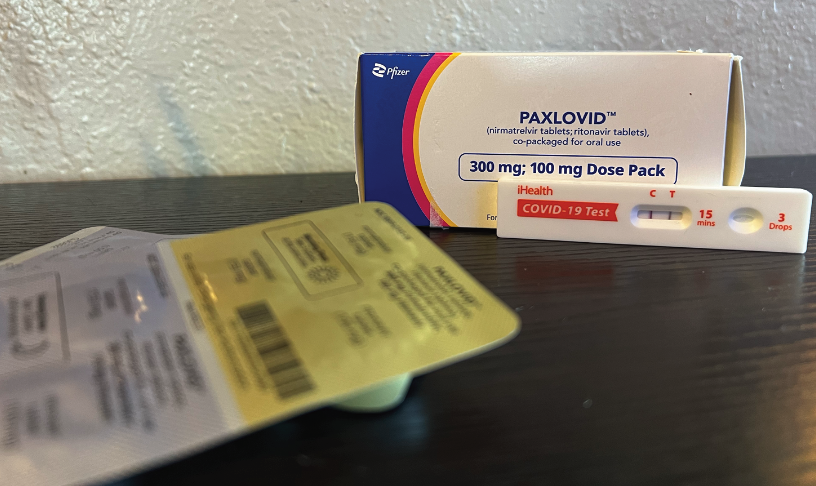
Through my insurance, I reached out about Paxlovid, and after answering a quick survey, a doctor issued a prescription. My mom picked up the prescription for me the day after I tested positive, and while taking Paxlovid resulted in some – quite literally – bitter side effects, it helped me recover quicker and lessened my COVID symptoms.
Paxlovid was the fourth drug, but first oral antiviral pill, to be approved by the U.S. Food and Drug Administration for treatment of mild to moderate COVID-19 in adults.
The Paxlovid regimen includes 30 pills taken over five days; three pills, including nirmatrelvir and ritonavir tablets, are taken twice daily. Nirmatrelvir stops the virus from making particles, and ritonavir stops the body from metabolizing nirmatrelvir, meaning it works for longer, according to Yale Medicine.
COVID patients should start Paxlovid within five days of symptom onset. I began taking the medicine on my second day of sickness, the worst day of my symptoms. I was tired to the point I couldn’t keep my eyes open, my throat and head ached, and overall I felt like I’d been hit by a semi.
I also learned of a horrible side effect no one, including the pharmacist who called me to explain how to use the medication, made me aware of: Paxlovid mouth. At least that’s what I called the symptom, also known as dysgeusia. It felt as if I had hand sanitizer-soaked pennies in my mouth, and as the day progressed, the pennies oxidized. Sure, water and juices helped, but as soon as I stopped drinking, the pennies were in my mouth again. My only sources of solace were waking up in the morning without Paxlovid mouth and the one-hour torture grace periods I had before my afternoon dose. According to GoodRX, dysgeusia is a symptom for approximately 16% of Paxlovid takers; of the handful of people I know who have taken Paxlovid, most of them experienced it.
While dysgeusia and some nausea I experienced were an inconvenience, the overall value of Paxlovid for my recovery from COVID was great. I wasn’t sick for as long as I was the first time I had COVID, my symptoms weren’t as strong, and while I still have brain fog, it’s nowhere near as bad as it was last year.
Paxlovid has some gross side effects, but it was worth it in the end.
For a Paxlovid consultation or prescription, contact a general health-care provider or visit health.sccgov.org/t2t to get help from the County of Santa Clara Health System.
Christina Casillas is a Town Crier staff writer. Email her at [email protected].