Drought-tolerant native plants “hang onto their moisture even in the face of flames,” according to landscape contractor and designer Greg Rubin, who spoke at a recent webinar on native landscaping.
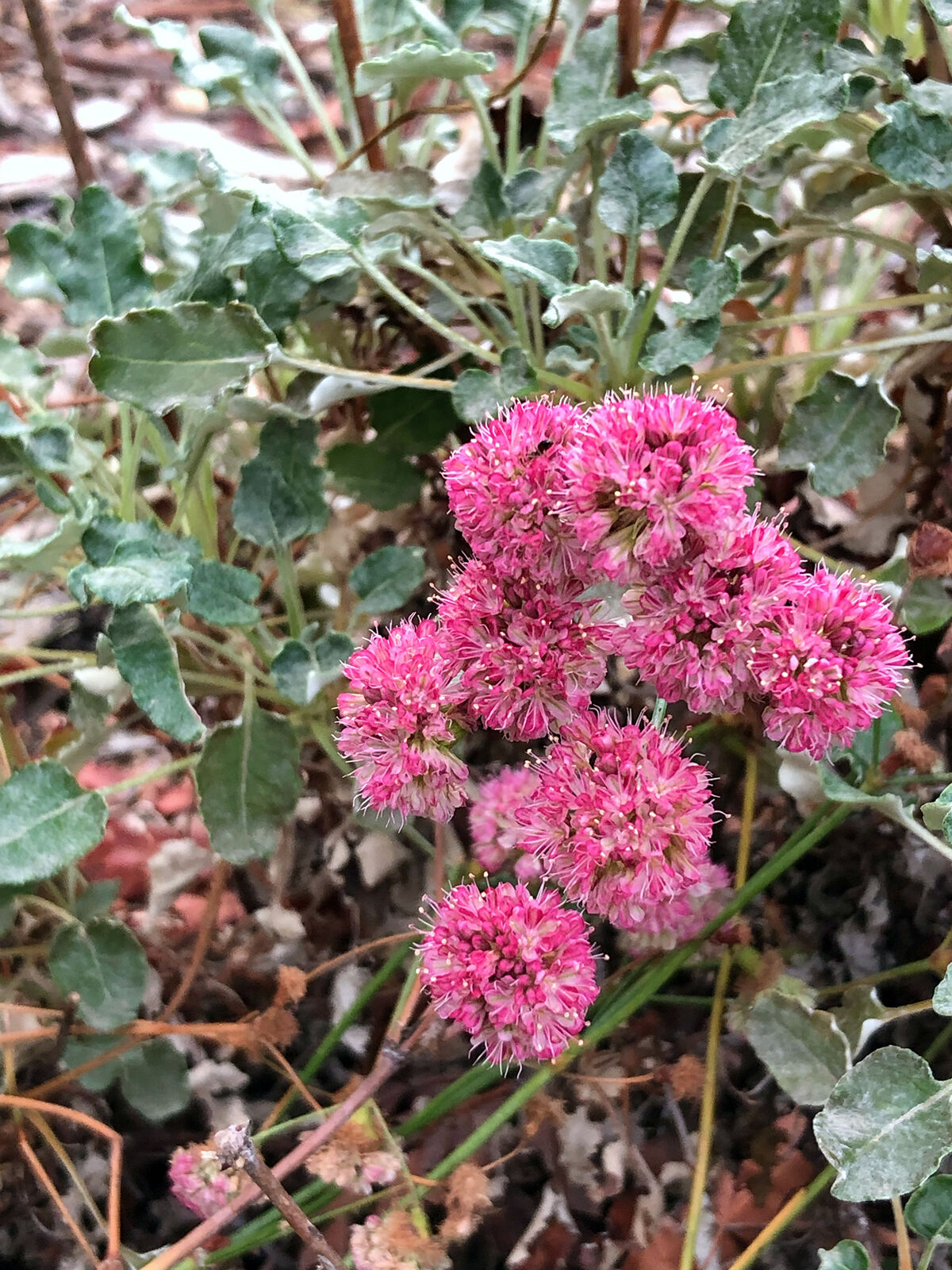
For instance, a low-growing rosemary and a native buckwheat shrub growing next to it were watered the same amount, but they were affected differently by the 2007 Witch Creek Fire north of San Diego. The rosemary was gone, reduced to a black smudge, but the buckwheat still had green leaves.
Rubin’s 2013 book “The California Native Landscape,” written with Lucy Warren, includes this example in the chapter on fire.
Fire resistance is an excellent reason to landscape with natives, and it contradicts the widely held notion that natives are potential fire bombs that must be cleared from any home site near wildlands. In fact, drought-tolerant natives that are lightly irrigated and planted at appropriate densities provide not only greater fire resistance than a traditional landscape, but also habitat value and year-round beauty. The real hazard is all the non-native weeds that move into sites cleared of native vegetation. A fire can rapidly sweep across a weedy area, fueled by dry weeds and with nothing to stop it.
Light irrigation, which Rubin recommends during warm months, is overhead watering every 10-14 days that washes dust off the leaves and moistens the mulch but does not saturate the soil. Each watering amounts to approximately a quarter-inch of rainfall.
Landscaping strategies
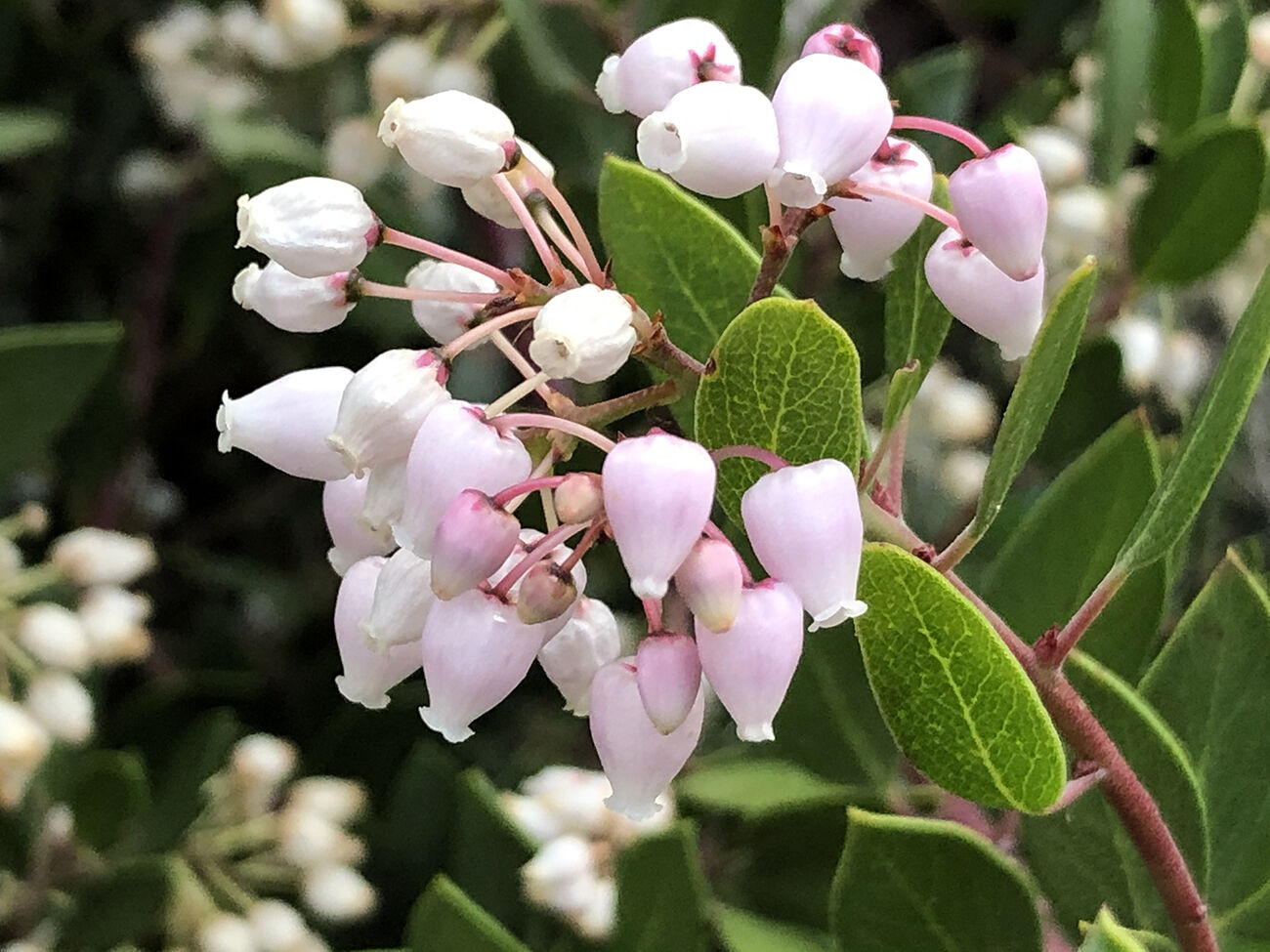
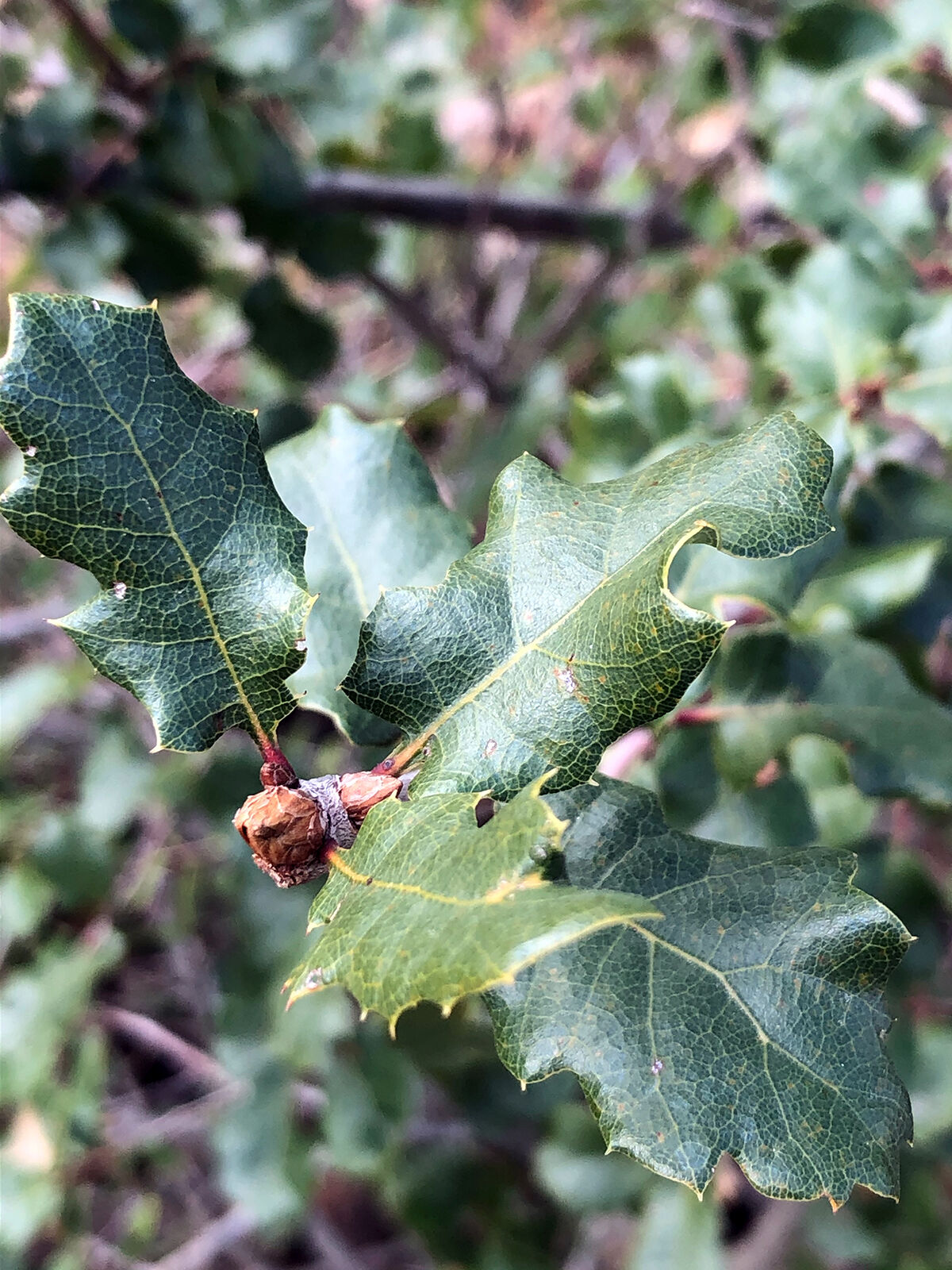
To test his observations, Rubin collaborated with fire ecologist Jon Keeley and others in a study published in 2020. At three landscaped home sites bordering wildlands in San Diego County, the researchers monitored the water content of lightly watered, thinned and unthinned native shrubs. The shrubs, located approximately 30-100 feet from the homes, were assessed every two weeks for 2 1/2 years. The California buckwheat, California scrub oak, laurel sumac and bigberry manzanita were native to the sites and repeated in the home landscapes. Using fire modeling software, they concluded that light watering afforded greater fire resistance than thinning, and also made the landscape look better during the dry season.
Wildfires spread not only as flames, but, especially when stirred up by dry winds, as embers. Cleared land is a “perfect bowling alley for embers,” according to fire ecologist Rick Halsey. But lightly irrigated native plants “disturb the flows of air and catch embers,” Rubin said, blocking or cooling embers before they can reach a home. The plants hold enough moisture so that they are not themselves ignited by stray embers.
The basic landscaping strategies if you live near wildlands:
• Up to 4 feet from the house, use hardscape only.
• From 4 feet to 30 feet, plant low-growing or low-density native shrubs and perennials and lightly irrigate them.
• From 30 feet to 100 feet, thin the native vegetation to 50% cover and add 4-foot-wide paths that can also serve as firebreaks. Rather than digging out plants, cut them back and leave roots in the ground to prevent erosion. Mulch well to prevent weeds. Add noncombustible garden features such as stone benches and birdbaths. As added insurance, lightly irrigate this zone.
Tanya Kucak gardens organically. Email her at [email protected].