Students should never shy away from their dreams, but the issue for a lot of them is learning how to actualize their projects into reality. There are many unique experiences students carry with them, such as their family background, health journey or personal interest and it is up to our community to trust their vision of supporting their various causes.
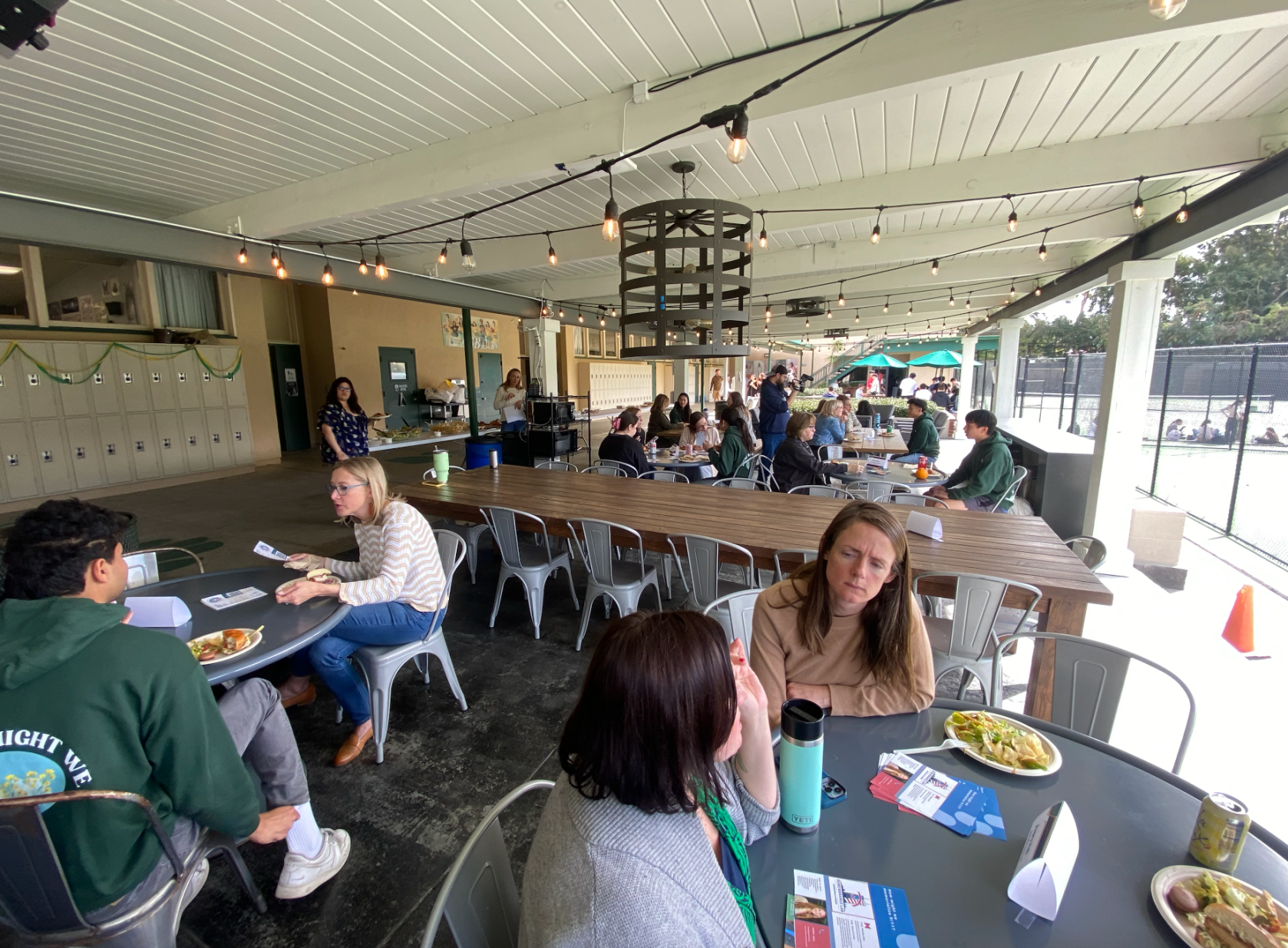
Within Pinewood Scholars Program in Social Entrepreneurship at Pinewood School, junior students have the opportunity to explore their passions for creating businesses and non-profits and forming partnerships with community members who offer them guidance in their subjects of interest. Many of the students’ mentors include professors, business officials and organization leaders who teach them how they can make a difference.
Michelle Gannon, the social entrepreneurship and a English teacher at Pinewood School, said the program allows students to solve real-world problems and to explore their chosen topic or passions with professionals. She said students get a hands-on approach to learning in the course, such as visiting various offices in the region, and exploring how to implement a project from the discovery, design and implementation stages. Many of the students start off the course by answering large questions that they hope to answer and within a few months, she said the students begin researching, interviewing and finding the resources they need to address the issues that they hope to fix.
“We practice cold calling,” Gannon said. “I use a program called Mimic which sets the cold calling with an AI person to either be friendly, approachable or angry. It’s quite amazing. They also create LinkedIn profiles which they can cold call people there and build their network. I also encouraged them to use their parent or teacher networks to find contacts in the industry connected to their ideas.”
Gannon also encourages students to listen to podcasts and other forms of media such as documentaries and other research projects that seek out how someone found hidden meanings and problem solved until they reached their achievements.
Lacey Armistead, a senior at Pinewood and former
student in the PSP program, said her organization Bright Start, which she started last year with the course, is still going strong. The organization aims to provide students who have come from farmworker families in Half Moon Bay access to STEM project kits and fill the gap in their education. She said many of these children move with their families and do not get quality lessons on STEM topics.
“In my PSP class, a person spoke to us about a lot of the organizations she worked with, and one of the ones that she talked about was the organization I ended up partnering with in Half Moon Bay,” Armistead said. “I started reaching out to them and planning out different lesson dates. And I believe the need was just the farm workers tend to move around a lot. I thought a cool way to maybe supplement their learning would be to provide boxes with different experiments so that they can continue learning and developing a passion for STEM when they’re home or traveling.”
She said oftentimes, schools in the areas she volunteers in are overlooked and underfunded. It was important for her to have students find interest in their school’s lessons and find a passion for experimental learning. After her senior year, she won’t be able to continue her project, but she hopes the podcast she created for the course the previous semester will help display the lessons she learned and bring awareness to underserved populations.
“I have continued doing some lessons, and I’ve made a lot of boxes that I’m going to be distributing sometime soon,” she said. “That will probably be my last round of the boxes. “However, I did partner with another one of my friends, Evan Madsen, and we made a website displaying all of the lessons so that hopefully some of our ideas can continue going.”
Many of Gannon’s current students are also looking at ways they can shape their community and many of them are inspired by larger issues or their own personal stories.
Mailey Wang, a PSP student that founded Words of Worth, a Social and Emotional Learning curriculum that uses books to build students’ confidence and reinforce key lessons that help students have a sense of belonging as they mature. Wang wants people to look at their insecurities and find ways they can be used to make them stronger.
“I think people lose confidence in the ages within third to fifth grade,” she said. “Young kids have a lot of confidence, but as they age, it is important to instill a strong and long-lasting self-confidence from that early age that won’t dwindle as they grow up. I think it’s a lot easier to have them develop this (confidence) in children at an early age.”
She also wrote a book called “Stand Tall, Josie,” with illustrations by her younger sister Adelynn, that talks about a young girl developing her sense of confidence after observing a leaf with many cracks. The book was based around her sister and she said the book is about realizing one’s potential and not feeling judged based on one’s capabilities.
“I’ve talked to a psychologist so far, and some writers who have helped me write the book,” she said. “Moving forward, I want to collaborate with SEL teachers down at our middle campus and then also just around the city and local area.”
Alan Skelley, a PSP student looking at systematic issues over the consumption of plastic waste, founded Clear Choice to provide samples for companies to use sustainable products for their packaging. He said 10% of the materials in the U.S. are recycled and even a common product like water bottles is recycled 30% of the time. He said there are a lot of false advertisements on current packaging labels and wants to show community investors that you don’t even need to use plastic. There are plenty of alternatives, such as cardboard, which is an eco-friendlier material option.
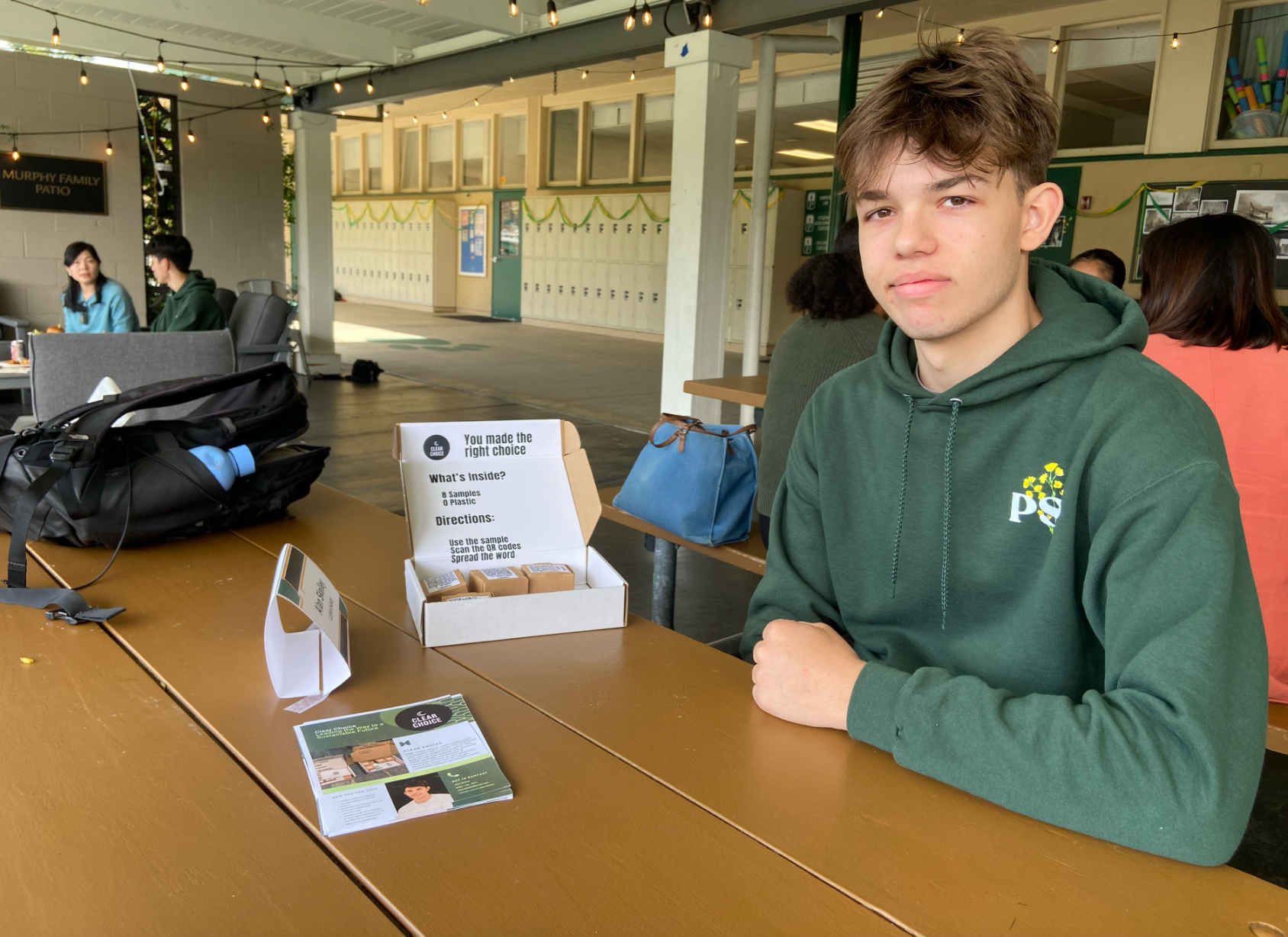
“I just took a step back from recycling, because I saw that it wasn’t viable,” he said. “I went over to sustainable products because you can use cardboard and other packaging. You don’t have to use plastic at all, and it is very straightforward hardware. I just want to make it very efficient for people to buy all the sustainable products they need, rather than having to go on different websites for their sustainable products.”
For more information on PSP, visit pinewood.edu/student-experience/signature-learning-experiences.