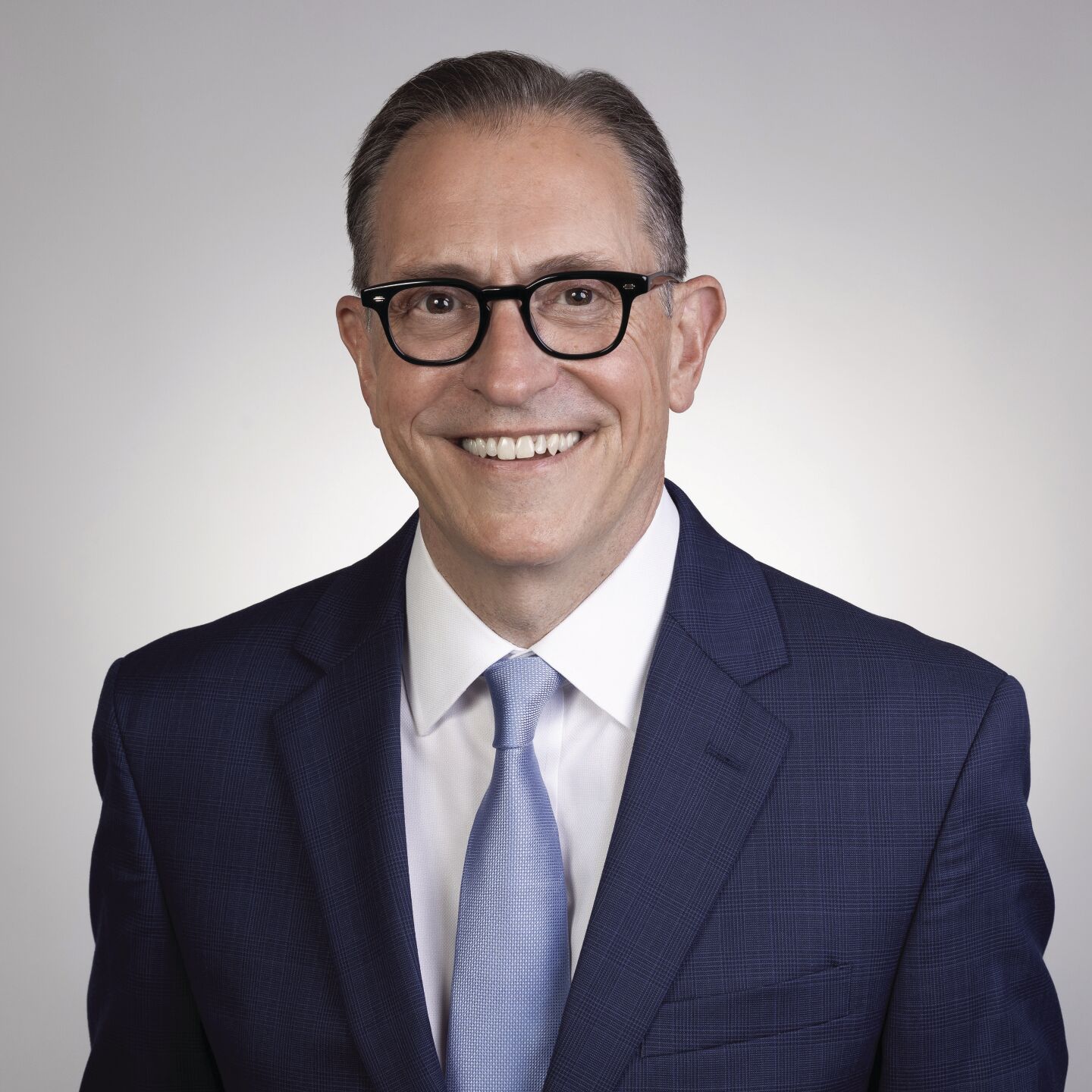
By The Rev. Claire Dietrich Ranna
Christ Episcopal Church is located at 1040 Border Road in Los Altos. Since coming here in 2017, I have always found our address meaningful. Being a person of faith in one of the least religious and most religiously diverse places in the country means constantly bumping up against the border between the sacred and the secular. Being in a denomination that ordains women, is LGBTQ+ affirming, and celebrates curiosity and connection with the natural world as virtues means pushing the borders of popular assumptions about Christianity. Indeed, the border between the church and the world is difficult to discern even within our parish. Ventana School, founded by Christ Church in 2005, is a religiously-diverse, spiritually-inclusive community that remains a part of the church. My own marriage crosses borders: I’m a Christian priest, and my husband is Muslim; I’m white, and my husband is a person of color. The Episcopal denomination itself straddles the border between Catholic and Protestant expressions of Christianity, seeking to draw wisdom from both.
It’s clear that the role of religion in America is changing and changing quickly, and that we are not the only congregation bumping up against previously settled borders. While some lament the decline of the church, others see that there is much our churches need to leave behind if we are to ever become an institution more truly aligned with the ways and values of Jesus. For too long, Christianity has been implicated in empire and exploitation, guilty of promoting antisemitism and misogyny, racism and homophobia. Many of our systems have been modeled on outdated views informed by whiteness and colonialism, as though Christians have all the answers (we do not) and everyone else should be grateful to hear them.
With this in mind, Christ Episcopal Church embarked last year on an initiative known as Vital+Thriving Congregations aimed at rethinking our place in the world and what it means for us to be a church, here and now. Instead of assuming we had any idea what our congregation, neighbors, or wider community were looking for or in need of, spiritually or otherwise, we began to listen deeply and humbly to the stories of those around us.
In this way, we’ve learned a great deal about our unique context in Silicon Valley. We’ve heard again and again that our contemporary culture is dehumanizing. Many people feel they are expected to work constantly, or at least be available to work constantly. Parents feel pinched between responsibilities to their jobs and their children, while others are care-giving for partners or elders whose needs can become overwhelming. There’s a constant sense that we should be more impressive, more successful or simply more than we know ourselves to be. If nothing else, the pace of our lives, the complexity of our world and the divisions in our society are a source of near-constant anxiety. COVID both exacerbated and intensified preexisting sites of stress and suffering. In a popular 2021 piece for The New York Times, organizational psychologist Adam Grant describes the “joyless and aimless” feeling that plagued many during the pandemic as a chronic state of “languishing.” This seems endemic in Silicon Valley. What we heard was consistent with that of researchers across the country, who find that people who do not practice religion long for one thing most of all: community, especially intergenerational community.
In response to all we heard, members of our congregation came together to identify a specific challenge before us. We articulated this as follows: “God has opened our eyes to a profound spiritual longing in Silicon Valley: many people are disconnected and exhausted, living without family support and struggling to find meaningful relationships. As an open-minded, intellectually curious community, how can we join our neighbors seeking authentic connection, asking real questions, exploring together what practices deepen their flourishing and that of their families?”
Since then, we have been praying, dreaming and discerning how we might be called to practice peace and build community. We’ve identified four areas for experimentation, which we’ll be exploring through events and programs in the year ahead: 1) interfaith collaboration, building on existing partnerships with a local Jewish synagogue and Muslim organizations; 2) weekly community dinners on Wednesday nights, open to all, and particularly inclusive of families with young children; 3) sacred hiking, aimed at reconnecting us with the goodness and grace of the natural world and our own bodies; and 4) support for people who have been harmed by religion, whether through purity culture, betrayal, abuse or shame. Our focus is not on growing our Sunday morning attendance but learning how to be more faithfully present with and in our neighborhood, just as it is. We’re eager to connect with neighbors of all faiths, or no faith, who share values and are doing similar work.
If we live in a context that dehumanizes and disconnects us from the love that is our birthright, then we believe the work of the church here and now must be a kind of rehumanization.
What are the practices and rituals that reconnect us to God, creation, neighbor and self? How are we called to partner in reconciliation, joy and the creation of a more just and gentle world? We don’t yet have answers to these questions, but we’re excited to be exploring them together, and eager to see where they take us.
The Rev. Claire Dietrich Ranna is pastor at Christ Episcopal Church in Los Altos.