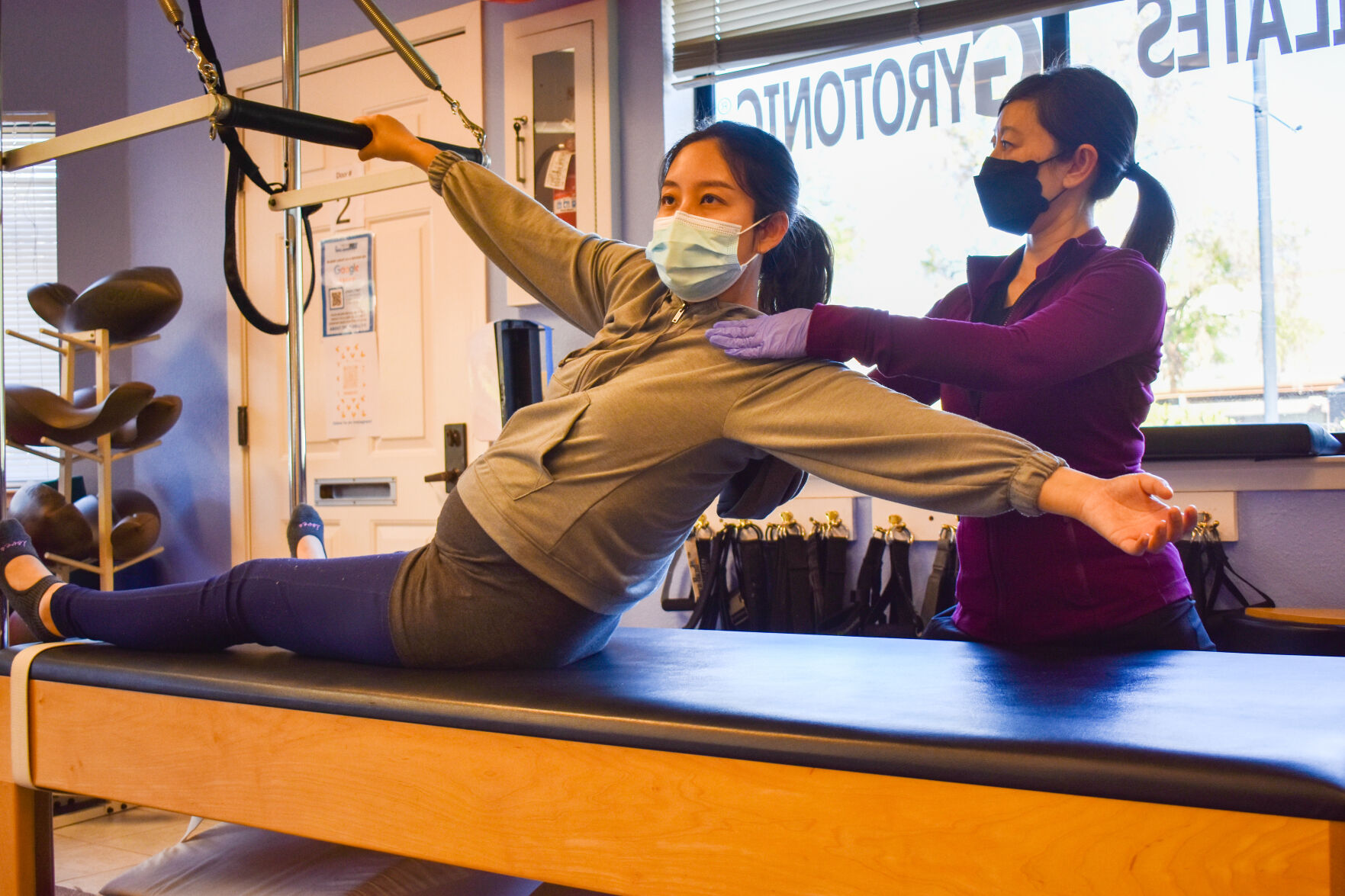
Back pain is among the most common physical problems many people experience at some point in life.
It can be caused by many factors, including poor posture, incorrect lifting techniques or body mechanics, repetitive stress, sustained positions, sports-related injuries, accidents or trauma, musculoskeletal conditions, post-operative care and underlying medical conditions.
Surrounding areas also can contribute to pain, such as muscle tightness, abdominal weakness and lack of hip mobility. A weak or poorly functioning pelvic floor also may be a reason for why you experience chronic back pain that doesn’t resolve with conventional treatment.
Seeing a physical therapist who specializes in the back and pelvic floor can significantly improve the quality of your life. Most people experience a gradual onset of pain that makes it challenging to figure out why back pain happens in the first place.
Back pain may be a dull ache, burning sensation, numbness, tingling or sharp pain that starts in your lower back. It may also radiate down one or both legs. Oftentimes the hip and sacroiliac joint in the back of your pelvic girdle are involved.
You may experience back pain only with certain activities, or you may feel constant pain. You may feel pain in your back when you do something as simple as bending over to pick up a pencil or putting on socks. Back pain may also occur after an injury, such as a fall or lifting something heavy. It is often the result of muscle strain, ligament damage, degenerative discs that sit between the vertebrae or a pinched nerve in the spine. Symptoms can range from mild to severe or chronic.
Physical therapists are licensed health-care providers who specialize in the treatment of physical injuries or limitations. We can help you learn how to manage your back pain and discomfort and prevent future episodes. A physical therapist can work with you to develop a program that focuses on regaining mobility, flexibility, strength, stretching, balance, coordination and conditioning. You also can learn about proper body mechanics for lifting objects. Through the use of hands-on techniques such as active and soft tissue release, we help you manage your pain and improve your activity level and quality of life.
A physical therapist who works in a more nontraditional small practice typically has more consistent one-on-one time to help you develop a program that fits your needs and personal goals.
This is a great option if you are looking for a noninvasive, natural solution. Additionally, some physical therapists who are in settings with more time to be thorough can provide lifestyle advice and education on how to improve your physical health and prevent further flare-ups.
Therapeutic Pilates
Back pain may stop you from playing with your kids or grandkids, gardening, sitting, getting out to do other activities you enjoy or even getting out of the house for a walk. Physical therapy is a very effective treatment for lower back pain. Some physical therapists successfully integrate Pilates into the sessions to help control your back pain. You may find this helpful long term to manage chronic back pain.
Pilates is most successful in helping to control your back pain when you have individual time with a physical therapist or instructor skilled in therapeutic Pilates. This is feedback I have heard from many patients and clients over the years who successfully manage pain with consistent individualized guidance and modifications as needed. It can transform your ability to have or return to a more active lifestyle.
If you decide to use Pilates to help with back pain, note that when it comes to safety considerations while doing Pilates exercises, there are several important things to keep in mind.
• Proper form and alignment are essential for avoiding injury. Ensure that you are guided with the correct posture and positioning for each exercise before executing it.
• Use appropriate equipment to give your body the necessary support and stability to help with proper movement.
• Focus on using smooth, controlled movements as opposed to jerky or quick ones; this will help you maintain proper form when performing the exercises.
• Always listen to your body. If any exercise is causing pain or discomfort, stop immediately and ask for guidance or advice from a qualified physical therapist or instructor trained in therapeutic recovery.
Kim Gladfelter is owner, physical therapist and Pilates instructor at PhysioFit Physical Therapy & Wellness in Los Altos. For more information, visit physiofitpt.com.