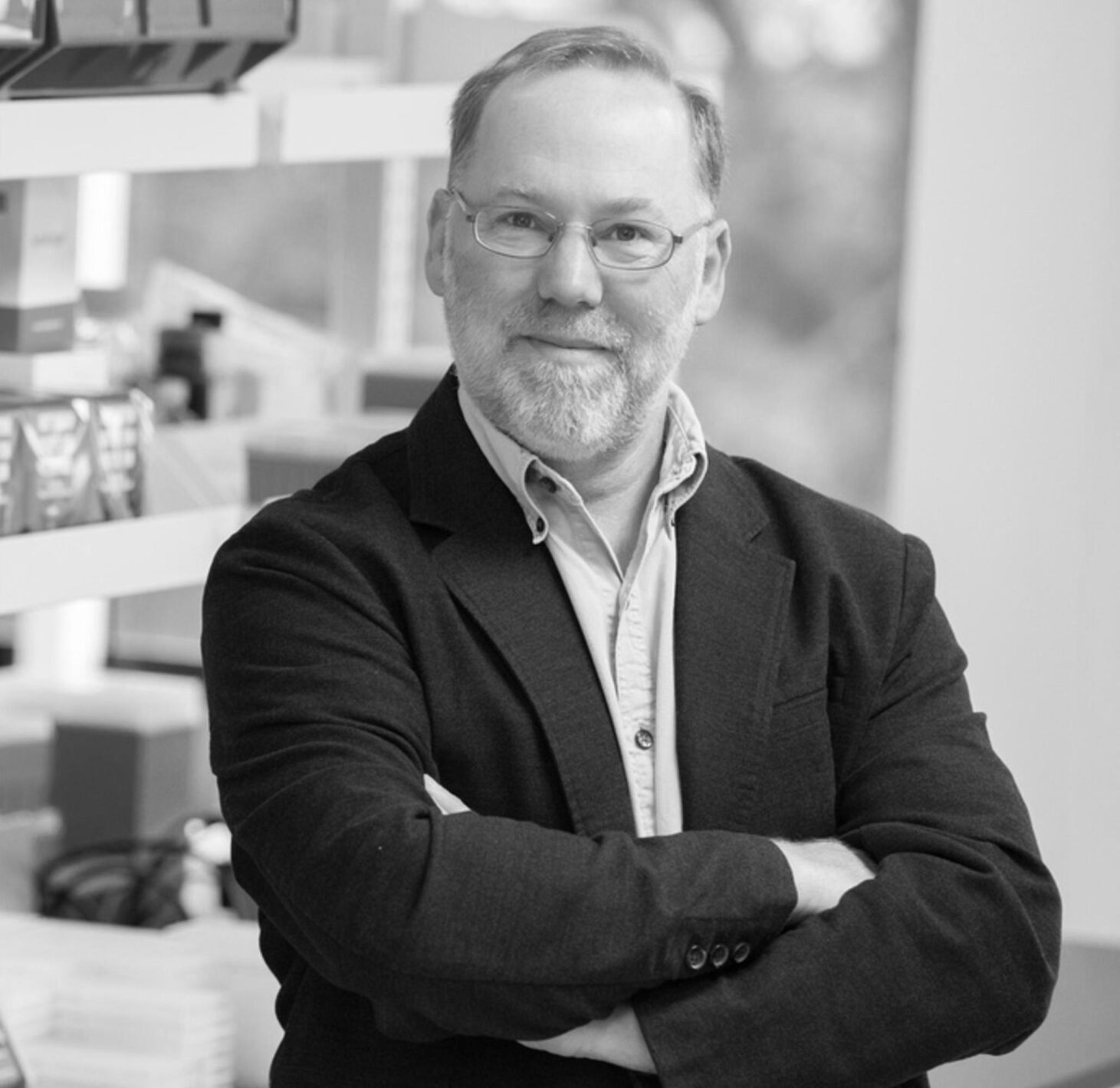
Homestead High School graduate Fred Ramsdell was deep in the mountains of Montana, reconnecting with nature when the Nobel Prize committee announced he had won a Nobel Prize.
With his phone in airplane mode, Ramsdell didn’t find out he had won until his wife reached him later that day.
“I didn’t even know it was the weekend they gave out Nobel Prizes,” Ramsdell said. “I didn’t believe it when my wife told me (I had won). I said, ‘No I didn’t.’ She said, ‘I have 200 text messages that said you did.’ I was absolutely shocked. I never anticipated it.”
Ramsdell, a 1979 alumnus of Homestead, was jointly awarded the Nobel Prize in Physiology or Medicine alongside Mary E. Brunkow and Shimon Sakaguchi on Oct. 10.
Together, they were recognized for their pioneering work in peripheral tolerance, a branch of medicine that focuses on preventing autoimmune diseases. Specifically, he and his team had identified the cell that prevents antibodies from perceiving human tissue as a threat. Additionally, they found a way to take these cells from healthy people and put them back in those with autoimmune diseases, according to Ramsdell.
The Seattle resident said this was a culmination of hard work and passion many years in the making.
Ramsdell said his love for science was cemented in his high school years, thanks to his science teacher. He said he always loved to figure out how things worked, specifically related to the human body.
Because he could not afford a four-year college, Ramsdell said he attended Foothill College, then transferred to UC San Diego to finish his undergraduate degree. While he was there, he took a class in immunology and fell in love with the subject.
“There was so much we didn’t understand, and they were just developing tools that would let us unlock how this whole system works,” Ramsdell said. “I wanted to understand how it worked. And once you know how it works, then you can try to manipulate it to treat various people’s diseases.”
After pursuing a Ph.D. at UCLA, he moved to the National Institutes of Health in Maryland for postdoctoral training. Ramsdell said he was so strapped for money he qualified for food stamps as a graduate student. Additionally, juggling research and spending time with his wife, Laura O’Neill – whom he met at Homestead – proved to be challenging, Ramsdell said.
“I missed a bunch of dinners,” Ramsdell said. “I annoyed her at times because I wasn’t around or paying attention, but she was always supportive of what I tried to do. Her own career kept her busy, and she leaned into it.”
In the lab, Ramsdell was considerate of his team and often checked in on colleagues to make sure they were doing well, according to Tom Cox, a friend and scientist on his Nobel Prize- winning team.
“At least once a week, he would come down to the lab and talk with us to see how things were going,” said Cox, who graduated from Homestead in 1978. “He’s a joy to work with. It was a very collaborative and insightful (environment). I’d just come find him if I found some data that was interesting, and that really just helped drive the energy in the lab.”
When Ramsdell won the prize, he invited Cox to come with him – a gesture toward their longstanding friendship.
“The fact that he just invited me to be one of his 14 guests was life affirming,” Cox said. “It is so refreshing and joyous to see a country that celebrates discovery and science. The recognition of science and accomplishments in the human race is amazing.”
Ultimately, Ramsdell said he is grateful for his education, as it helped to achieve the success he has found today.
“My education set me up to be successful and I know I didn’t appreciate that at the time,” Ramsdell said. “I had good teachers at every level and I had good opportunities at every level. High school was stressful for me, but my memories are all good. It just ended up being a really good environment for us to be successful.”