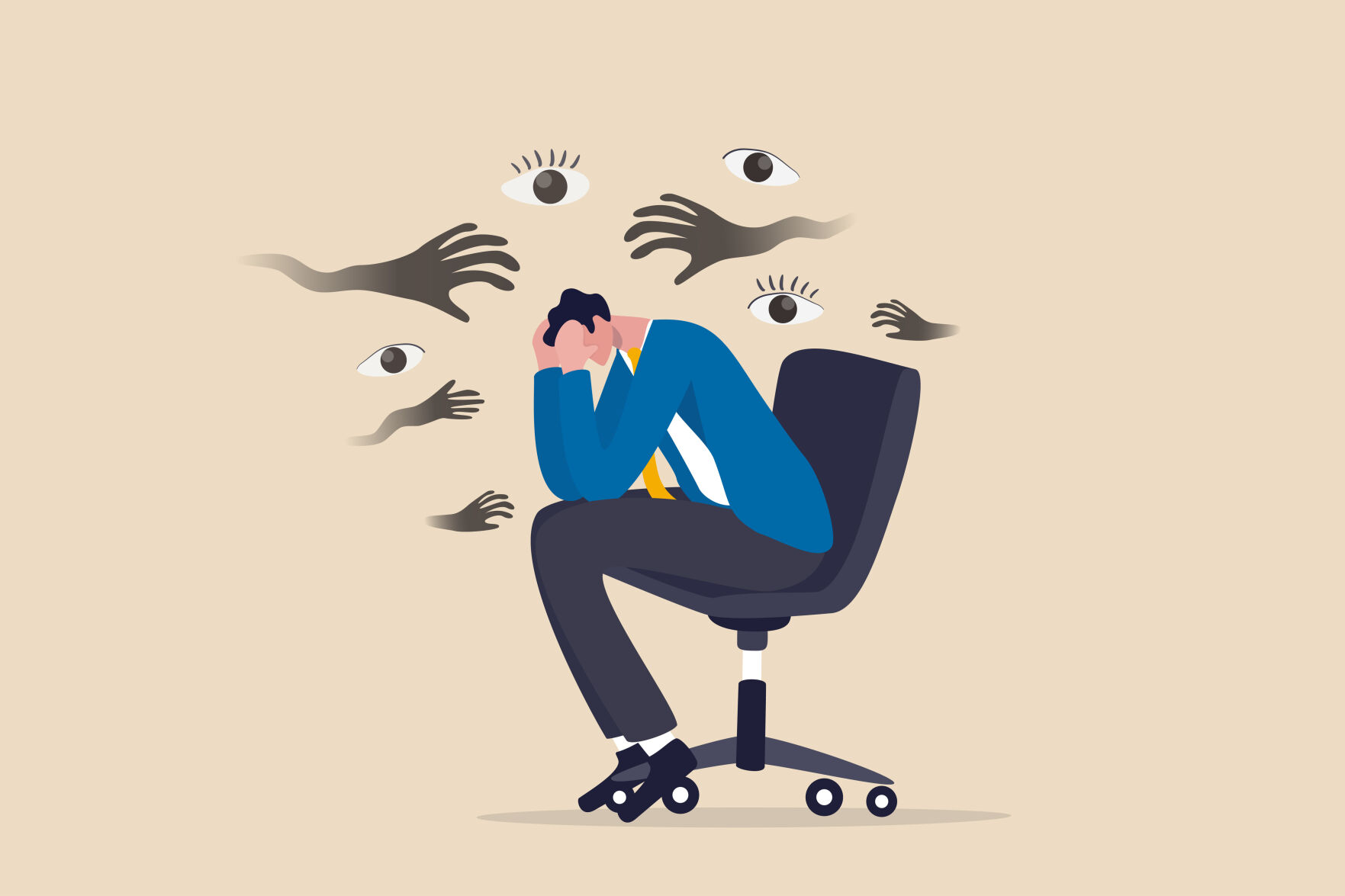
Ah, the myth of willpower. If willpower reliably worked for procrastination, we could just deploy it as needed, right? But procrastination is complex. When a task stirs up discomfort, fear or unfamiliarity, the survival or lizard part of our brains perceives a threat. To “avoid danger” we run to safety and familiarity: scrolling, YouTubing, snacking, etc.
“I just feel so much pressure to get As and there’s so much homework that I just can’t concentrate sometimes,” Daniel, a student at Los Altos High School, said. “Then I go do something that is just a time-waster and I always regret it!”
While there are many reasons for procrastination, a common one is to avoid perceived discomfort. For example:
• This work is hard, I don’t feel like concentrating right now.
• I’m not in the mood to do something “unfun” right now. I need to be in the mood.
• I can’t deal with how boring it’s going to be. I’ll do it later.
• I’m feeling all comfy right now, I don’t want to give that up.
• I want to get it done really quickly and since I know it won’t be quick I’m not going to start it.
• This is going to require too much effort, I’ll do it when I have more energy.
• I feel like a puppet, I want to do things that I choose or when I choose to do them.
Sarah Lesser, a counselor and therapist at Kehillah High School, works with students to help them identify what they are avoiding.
“It’s always worse in their minds than it is once they talk it through and recognize that it’s not as hard as they imagine,” Lesser said. “The only way out
is through and facing whatever it is that is causing the anxiety is our best method for dealing with anxiety.”
If you stop and really think about it, it’s not actually the experience of discomfort, but our rigid beliefs about discomfort. For any task, we can choose one of three attitudes:
• I must want to do or be comfortable doing a task.
• It would be nice if I experienced comfort during the task. Comfort is desirable, but not mandatory.
• I don’t care whether all the right conditions exist, or if I’m comfortable or uncomfortable doing the task, I’ll do it anyway.
Rigid beliefs about having conditions “just right” make us vulnerable to procrastination. For example, let’s say at some point you become “in the mood” to write that essay. So you start it. But then in 10 minutes, you think of something, your mood changes and you’re not in the right mood anymore. If you believe you must be in the mood to write that essay, and those “just-right” conditions change, that essay may never get written or you’ll write it in a rush at the last minute, costing you quality.
Once you do a little self-reflection, you can choose to procrastinate or tolerate the discomfort. If you choose to face the discomfort, the first step doesn’t have to be huge, it just has to be real. Even two minutes of “discomfort” shifts you from stuck to moving.
Now you’re making progress! You feel relieved and proud. And then … discomfort bubbles up again. Pause and think before quitting. Maybe just a movement break or a little self-compassion or a deep breath can be a reset. Or not. Maybe it is still just hard and uncomfortable. First validate yourself: “Yes, brain, this is cognitively demanding and definitely less enjoyable than gaming.” Then, non-judgmentally challenge your avoidance a little: “I feel uncomfortable, but that’s normal for doing hard, worthwhile things. Boring things are part of life and I want to keep my promise to myself that I’d do this. And how painful is it actually? How much of this discomfort could I stand – two minutes? Seven minutes? While it would be nice to be in the mood for it, I can tolerate it because it’s worth it. I can acknowledge and feel the discomfort and still tackle the work. And finally, what law says I have to be free of discomfort?”
Pausing, reflecting and choosing yourself is not about becoming a willpower superhero. It’s about thinking about your thinking to stay connected to yourself, your values and goals. It’s about deciding to tolerate discomfort and expecting that it’s part of the process. The more you lean into even tiny steps, being stuck feels a lot less sticky.
Beth Wolff is a clinical counselor with a background in K12 school counseling. For more information, email [email protected] or visit bethwolffcounseling.com.