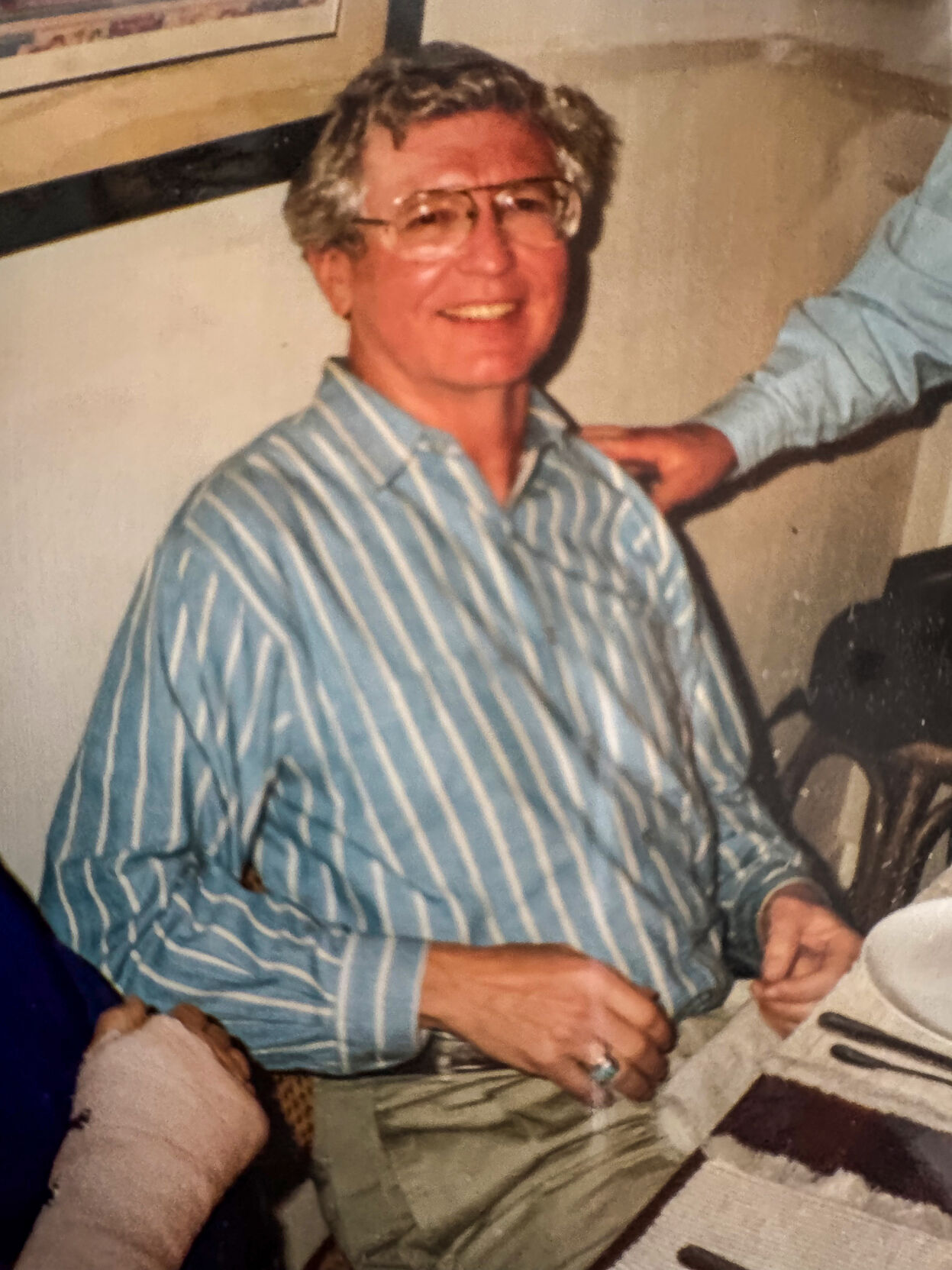
In 1902, Edwin Percy Gamble brought his wife Elizabeth and children James, George, Launcelot and Elizabeth to Palo Alto and built a house on Waverley Street not far from Stanford University, where son James had been accepted as a student. Edwin Gamble was the son of the co-founder of the Ohio company Procter & Gamble, which had become successful in the 1870s with a remarkable soap called Ivory.
It was, in a way, Ivory soap that helped create what is now an inspirational resource in the Santa Clara Valley, the Elizabeth F. Gamble Garden.
Back in the 19th century, not everybody in America, especially not people in farmhouses nor soldiers on the Western frontier, had access to fancy bathtubs. Because of this, chemists at the newly formed Procter & Gamble Co. got the idea to inject its new Ivory soap bars with air, which made them float. A floating soap bar was practical when it slipped from a user’s hand in an outside water trough, a galvanized tin tub or a stream where cowboys (and even ladies) might, from time to time, find a place for a peaceful bath. Just about everyone who used soap bars then found floating bars of Ivory a wonderment. Ivory – “It Floats!” – became the No. 1 selling soap brand in the country.
The profits from Ivory helped the Gambles in 1902 have the leisure time and money to build their gracious home on Waverley Street in Palo Alto; though the family was still modest enough to endorse their builder’s plan to order many of the parts for the house from the Sears catalogue. The home was one of the first built south of Embarcadero Road and, as utilities were not available everywhere in those days, it wasn’t easy to get the new place wired for electricity. But the family managed it and the house was so well built it survived the 1906 earthquake without serious damage.
Eventually, all three of the Gamble boys graduated from Stanford. Elizabeth took classes there, but, in the end, went East, graduating from Wellesley College in 1910.
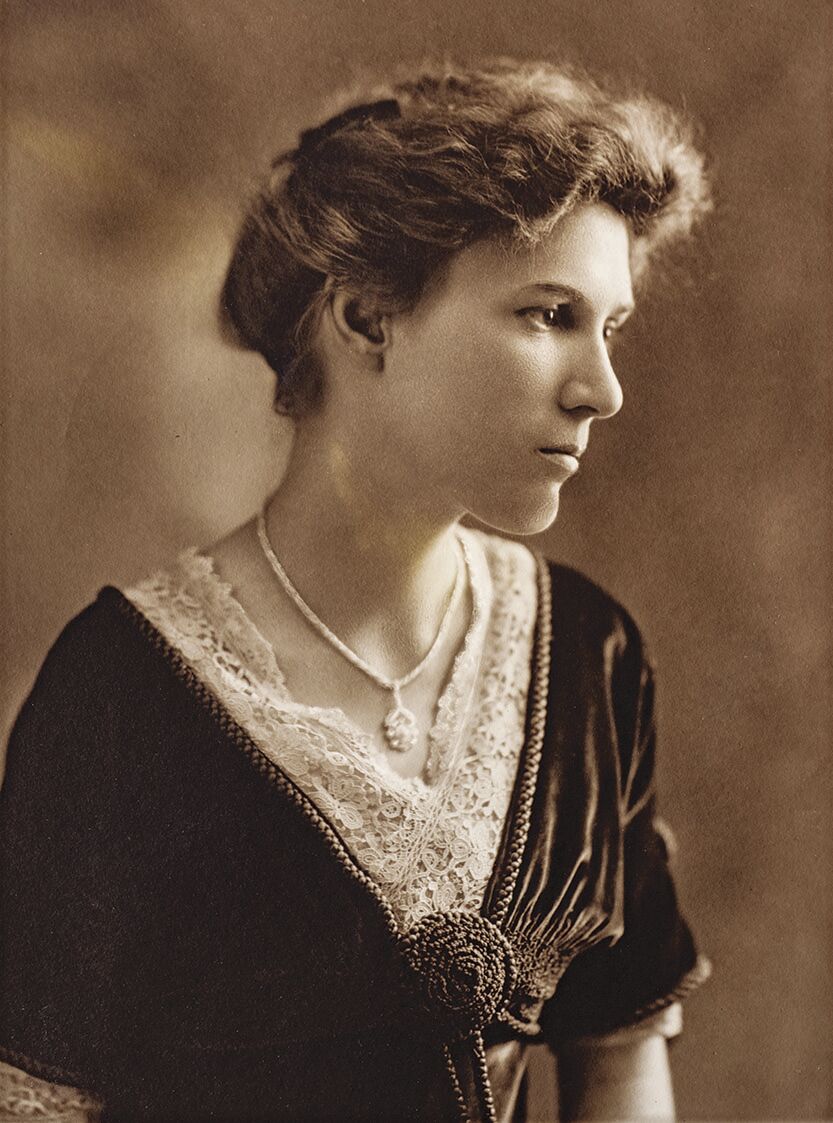
Lovely legacy
As a child, Elizabeth had enjoyed riding her pony in the family’s 2-acre garden. By the time she returned from Wellesley, her interest in landscaping had matured and it was Elizabeth who removed the pony ring and began to plant the garden for which she became known. She never married, and when her father died in 1939, she inherited the property and spent the rest of her life nurturing her flowers. When she died in 1981 at age 92, she left the house and garden to the city of Palo Alto.
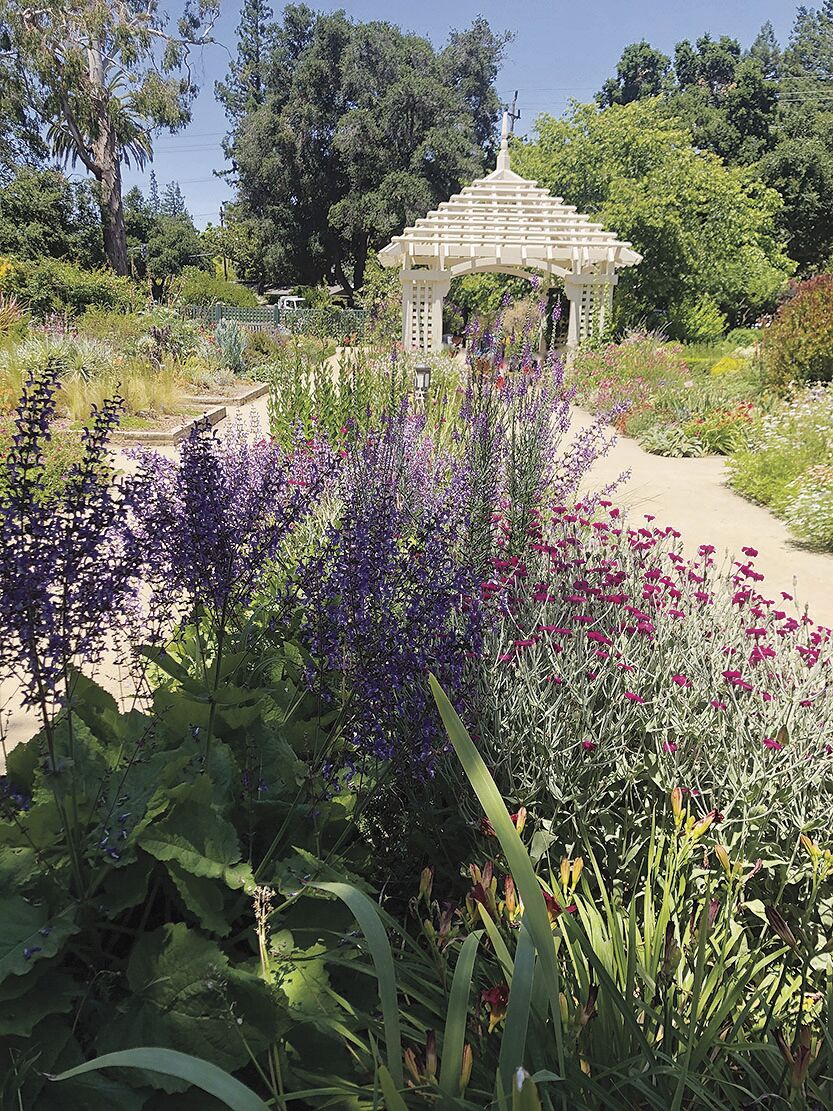
Land is a valuable commodity in the valley, and it took Palo Alto four years to decide how best to use the legacy. In 1985, it was the Garden Club of Palo Alto’s proposal that won the day. The club created a foundation to restore, preserve and enrich the garden and house for use as public resources, creating an endowment, hiring a full-time staff and enlisting a cadre of volunteers to fertilize the flower beds, restore the roses and itemize the irises. Now open 365 days a year from dawn to dusk, the Elizabeth F. Gamble Garden does not have rules per se, but instead posts the garden’s etiquette on its 21st-century website. “The garden is free, but not wild” and “plants prefer not to be crushed,” are among the foundation’s polite profferings.
In all seasons, the garden is a delight, with benches for sitting and eating a sandwich (please take away your trash) and clean restrooms (artists, the sinks are not to be used for cleaning brushes or supplies).
It is quite a place to have begun its story, thanks to a handy little bar of soap.
The Elizabeth F. Gamble Garden is located at 1431 Waverley St. in Palo Alto. For more information, visit gamblegarden.org.
Robin Chapman is a local author and historian.