Lymphedema is a chronic condition characterized by the accumulation of lymphatic fluid, resulting in swelling and discomfort. While there is no cure, a physical therapist who specializes in lymphedema can help provide life-changing progress to those who face managing the condition.
With an individualized approach encompassing manual techniques, exercises and education, physical therapy can significantly alleviate symptoms, improve mobility and enhance quality of life for those living with lymphedema.
Physical therapy interventions effectively contribute to the comprehensive treatment of lymphedema, empowering you with knowledge, support and a renewed sense of hope.
Lymphedema is most commonly caused by damage to or removal of lymph nodes, often as a result of cancer treatment. The compromised lymphatic system fails to adequately drain excess fluid, leading to swelling, discomfort and an increased risk of infection. A comprehensively trained physical therapist plays a vital role in mitigating these symptoms and promoting overall well-being.
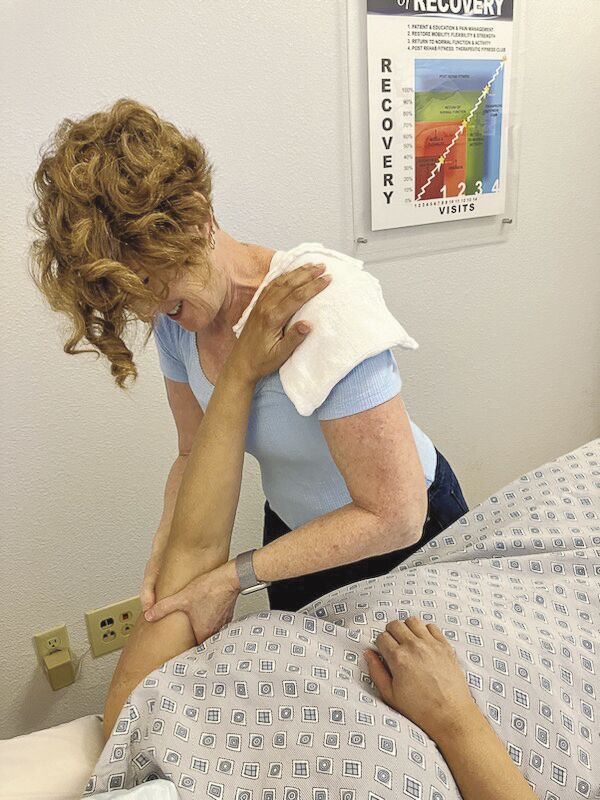
One of the cornerstone techniques used by specialized physical therapists in lymphedema management is manual lymphatic drainage (MLD). This specialized massage technique involves gentle, rhythmic strokes that redirect stagnant lymphatic fluid toward healthy lymph nodes, promoting its drainage and reducing swelling.
MLD requires expertise and should be performed by trained professionals who possess a deep understanding of lymphatic anatomy and your specific needs. This guidance is key to optimizing your results. Otherwise, you can end up with an increased amount of swelling.
Regular sessions of manual lymphatic drainage not only alleviate swelling, but also enhance circulation, relieve pain and
improve lymphatic function.
Treatment
A specialized physical therapist in lymphedema can prescribe therapeutic exercises tailored to your needs and limitations to promote mobility, strength and flexibility while considering the lymphatic system’s delicate balance.
These exercises often encompass range-of-motion exercises, resistance training and aerobic activities. Range-of-motion exercises improve joint mobility, reducing stiffness and aiding in lymphatic flow. Resistance training strengthens the muscles surrounding the affected area, offering support to the lymphatic system. In addition, aerobic activities such as walking and swimming promote cardiovascular health, stimulate lymphatic flow and aid in weight management, which is crucial for minimizing lymphedema symptoms.
A comprehensively trained lymphedema physical therapy specialist who has adequate one-on-one time to treat you goes beyond hands-on interventions. This requires more time than traditional physical therapy clinics are able to provide. You will be empowered with knowledge and self-care techniques to manage lymphedema independently. Specially trained physical therapists in lymphedema management educate you about skin hygiene, the importance of proper nutrition and strategies to prevent infection. You are provided guidance on self-manual lymphatic drainage techniques and recommendations for appropriate compression garments that aid in reducing swelling and maintaining tissue integrity.
Moreover, a comprehensive program will educate you on lifestyle modifications, such as weight management, avoiding constrictive clothing and practicing caution to prevent injury or infection, as needed.
A specially trained physical therapist plays a pivotal role in the comprehensive management of lymphedema. Through manual lymphatic drainage, therapeutic exercises and patient education, a comprehensively trained physical therapist will equip you with the tools necessary to alleviate symptoms, enhance mobility and regain control over your life. If you choose a clinic with a multifaceted approach, physical therapy not only addresses the physical aspects of lymphedema, but also supports your emotional well-being by instilling confidence and hope. By embracing the healing power of physical therapy, you can embark on a journey toward improved functionality, reduced discomfort and an enhanced quality of life.
It is not easy to find a physical therapist with this specialized training. It requires extra coursework based on a physical therapist’s passion and interest in pursuing such training. Even if you do find a clinic that has a therapist with this skill set, it may be hard to get consistent appointments. A nontraditional physical therapy clinic will often take a more holistic approach to treating you with other value-adds, including lifestyle modifications to help with your physical health.
Oftentimes, numerous factors play into chronic limitations you may have that are harder to treat using a traditional model of physical therapy. So, it is best not to put off initiating your search to get the help you need and find a place that can serve you best. In this way, you can move forward toward your goal of improving the quality of your life and getting back to doing the activities you enjoy most.
Kim Gladfelter is the owner, physical therapist and Pilates instructor at PhysioFit Physical Therapy & Wellness, 1000 Fremont Ave., Suite 108, Los Altos. For more information, visit physiofitpt.com.