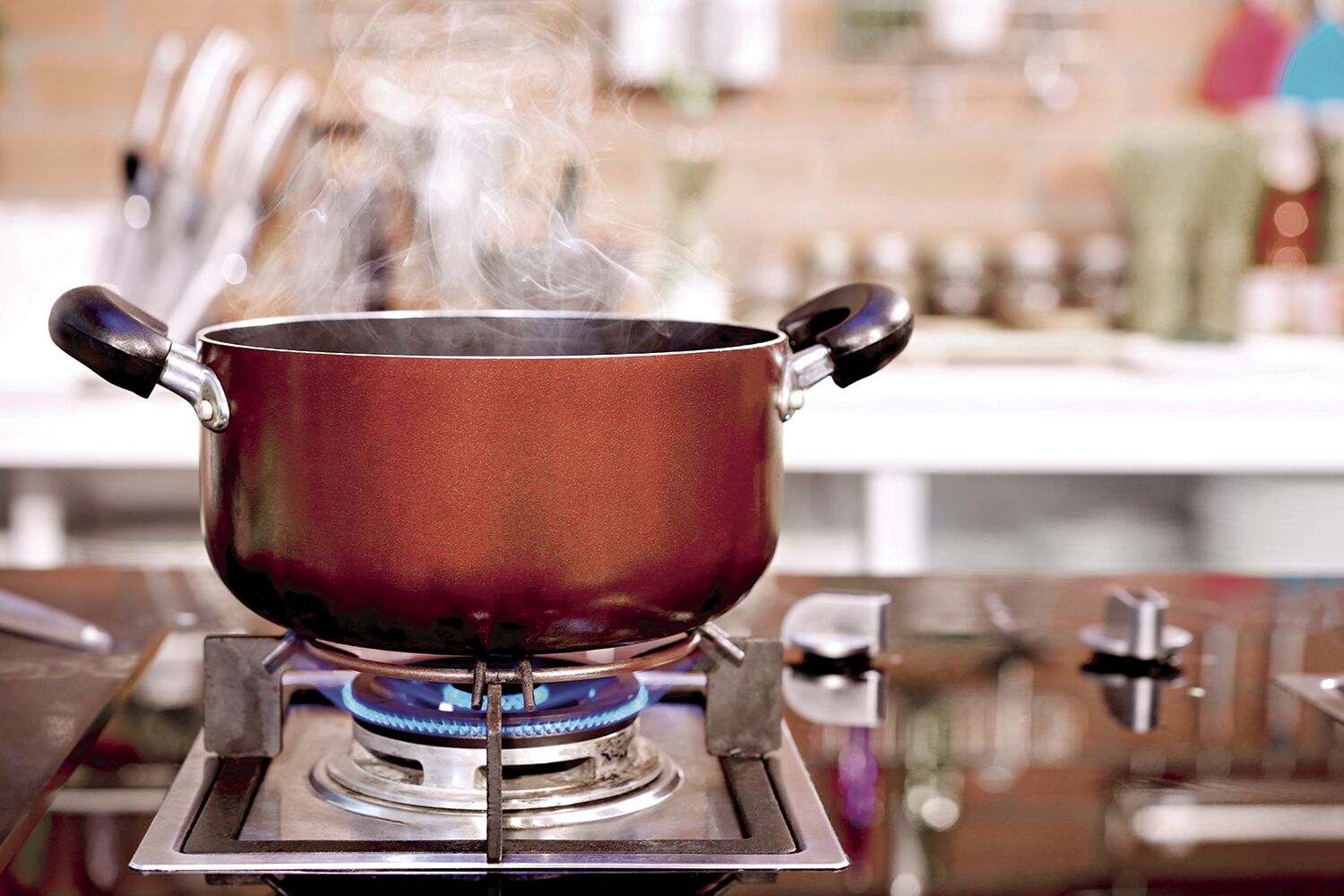
The negative effects of greenhouse gas emissions are often linked with natural disasters, heat waves and cold snaps, pollution and rising sea levels. But greenhouse gas emissions don’t only occur at the industrial level – they often occur in the home.
Dr. Donna Staton, former pediatrician and current board member of GreenTown Los Altos, told the Town Crier that environmental exposure is an underappreciated part of primary care.
“We live in an industrialized world,” she said. “I used to tell my patients in practice … when you look at a newborn baby, that child is going to be exposed to just tons and tons of chemicals and substances, pollutants and things going through the course of their lives.”
Some of those things, Staton added, people can’t control, such as micro-plastics in the ocean or the air pollution from traffic or forest fires.
“But there are some exposures that we have control over,” she said. “There are some risks we can manage.”
Staton encourages local residents to look for “low-hanging fruit” when making changes, “and gas stoves, I think, certainly fall into that category.”
Researchers at the UCLA Fielding School of Public Health found that cooking with a gas stove dramatically decreases indoor air quality. Their 2020 study, “Effects of Residential Gas Appliances on Indoor and Outdoor Air Quality and Public Health in California,” reported that the amount of pollutants carbon monoxide and carbon dioxide emit during “cooking events can exceed the levels set by national and California-based ambient air quality
standards.”
The study also revealed that at peak, concentration levels reach 400 parts per billion (or 750 micrograms per square meter). Concentrations of nitrogen dioxide above 100 parts per billion for one hour are considered to be a public health risk by the U.S. Environmental
In particular, Staton said, failure to use the ventilation hood every time the stove is turned on can result in decreased air quality.
“If you want to keep your gas stove,” she advised, “try to cook on the back burner, always run the exhaust fan … and open a window if you can.”
The effects of particulate matter
Particulate matter (PM), or the fine inhalable particles, produced when cooking with a gas stove also can lead to negative health effects. Chronic issues like asthma, especially in children, and chronic obstructive pulmonary disease, especially in adults, can be exacerbated by the PM produced by the combustion process, according to Staton.
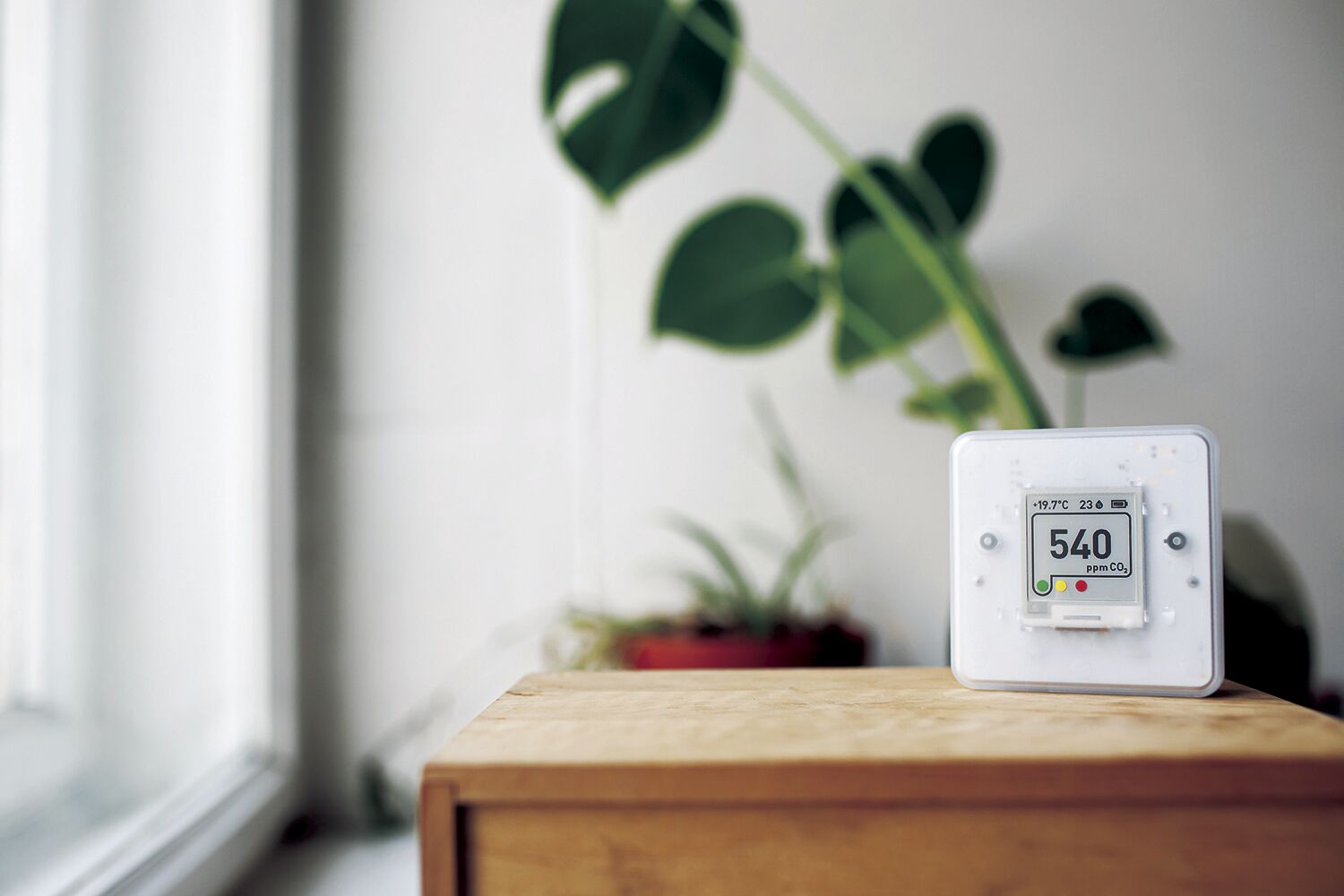
“And because some of these particles are so small, not only do they breathe them in, but they’re so small they sort of get past your body’s natural defense mechanisms for coughing them out or sneezing them out,” she said. “They can actually make it all the way down into the little air sacs of your lungs and get into your bloodstream.”
PM, which is measured at 10 micrometers or smaller and 2.5 micrometers or smaller, is approximately 30 times smaller than the diameter of the average human hair. Once in the bloodstream, PM can even be associated with premature labor or preterm birth, as well as effects on cancer and reproductive health, Staton said. The EPA cites nonfatal heart attacks, decreased lung function and irregular heartbeats among other effects of PM.
Although the risks can be scary, Staton noted that education is the first step to helping reduce risk.
“My advice to patients is try to make reasonable changes in your life that limit exposures to things that we know are toxic and, you know, you can’t go crazy, you can’t live in a bubble,” she said. “Changing the way you use your gas stove, or partly using other cooking appliances, or ideally switching to induction cooktop or any kind of electric cooking, is better for your health. There’s just no doubt about it.”
For more information on health and environmental hazards, visit epa.gov/environmental-topics/health-topics.
To read the UCLA study in full, visit tinyurl.com/y2bythjx.