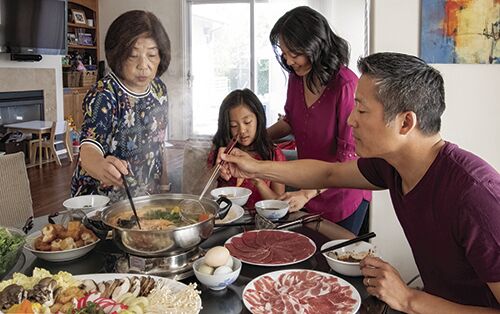
Hot pot is an interactive, fun, celebratory, eat-as-you-cook feast of hot boiling soup filled with broth, thinly sliced meats and a smorgasbord of veggies, mushrooms, noodles and other tasty goodies.
Every fall when the weather begins to cool and loved ones gather, hot pot is my family’s go-to favorite that fills our bellies and warms us from the inside out. Endlessly customizable through infinite choices of soup flavors, meats, dipping sauces and veggies, it is also nutritious and delicious.
Hot pot can be a meal for every day or for special celebrations. I have so many good memories of enjoying hot pot over the decades: meeting my now-husband’s extended family for the first time in Taiwan over a boisterous hot pot meal; eating epic Sichuan spicy hot pot in Taipei after my wedding; celebrating my grandmother-in-law’s 80th birthday at a long table with multiple hot pots; and enjoying an intimate hot pot for four with my husband and kids every winter during the holiday week between Christmas and New Year’s. Every year when the holidays approach, there’s nothing I crave more than this supremely satisfying soup packed with veggies that develops in taste and richness as the ingredients are cooked.
This family feast requires up-front work but reaps maximum satisfaction and flavor. Here’s how to do it at home.
Preparing your hot pot
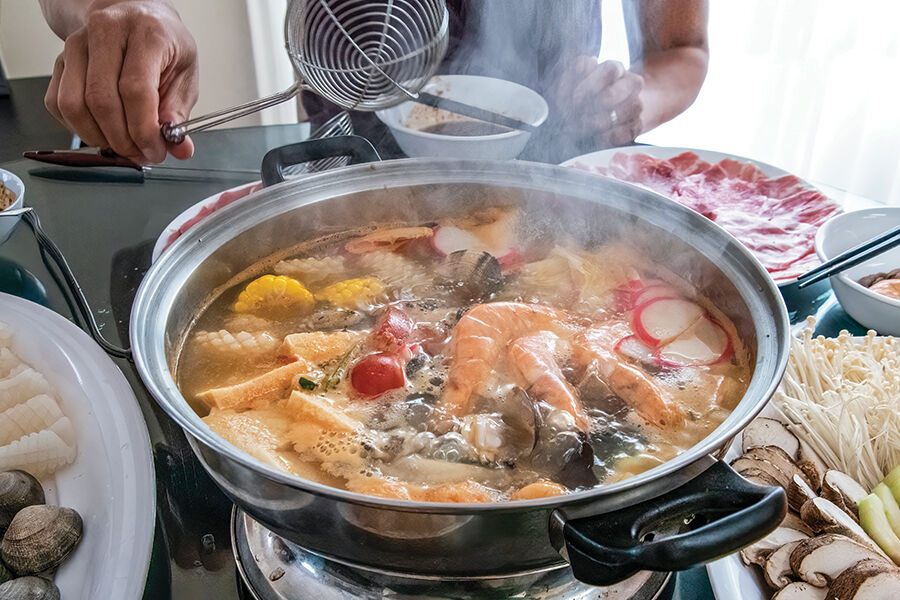
• The equipment. You can find a basic electric hot pot cooker on Amazon or at your local Asian grocery store for approximately $60. I also recommend metal, netted ladles for pulling items out of the soup, as well as for poaching delicate or easy-to-lose items such as soft tofu, fish filet chunks or bean thread noodles. You also will need a soup ladle.
• The setup. Put the hot pot in the center of the table so that each person who is eating hot pot can reach it. Ensure that younger children are safely out of reach. Each person’s place setting should have a larger bowl, a sauce dipping bowl and personal eating utensils.
• The soup base. Start with plain water or stock. Your flavor will come from the many layers of ingredients. Or you can try hot pot flavor packs, available in Asian grocery stores, which include sets of herbs and spices to make flavored broths. Make sure you have extra water or stock on hand to replenish the liquid in your hot pot as it cooks.
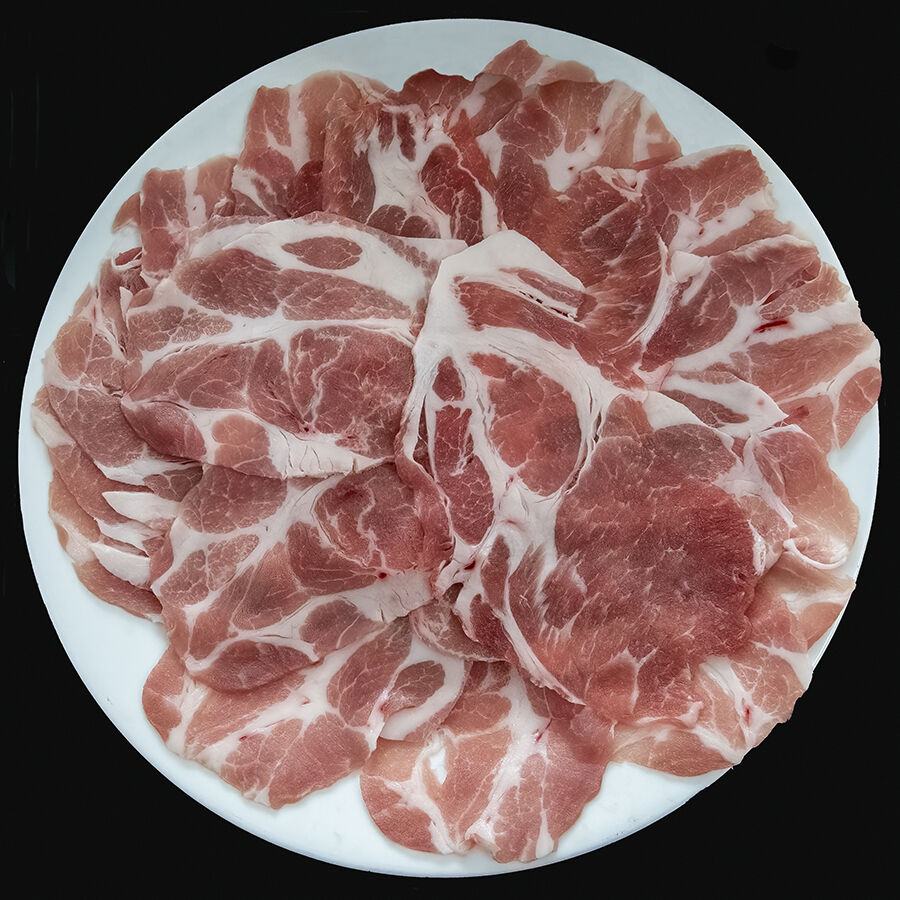
• The meat platter. I recommend using two or three types of thinly-sliced frozen meats, often sold in Asian grocery stores and sometimes labeled “shabu shabu” meat. Well-marbled, tender cuts such as sliced pork butt and boneless beef short ribs are crowd pleasers. You don’t need much – the signature of hot pot is not an abundance of meat (smaller amounts of high-quality, thinly sliced meats are key), but rather the bountiful variety of vegetables and ingredients that harmonize to create a robust broth and satisfying meal. Be sure to defrost the meat in your refrigerator the night before you need it.
• The meatball, fish ball and seafood platter. Meatballs and fish balls are available at Asian grocery stores, usually fully cooked. You can find them in open frozen bins, frozen variety packs and vacuum-sealed refrigerated packages. Again, a little bit of each kind creates fantastic flavor and variety. Following are some of my favorites.
Meatballs and fish balls: Vietnamese beef tendon meatballs, pork and vegetable meatballs, fish balls or crab balls stuffed with roe, Japanese fish cake, imitation crab meat, shrimp balls, cuttlefish balls and even frozen dumplings. It’s fun to experiment here.
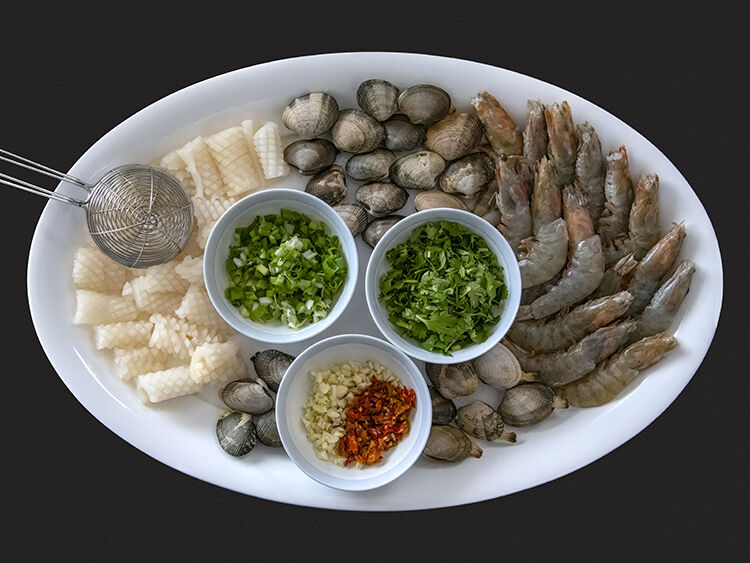
Fresh seafood: Shrimp cooks up well; I recommend head-on, shell-on, raw shrimp, because the shells add great flavor to the broth. If available, live clams that have been scrubbed and soaked to release grit are a treat. Frozen, prepped squid is also attractive and easy to eat. Be sure to defrost frozen items before preparing your hot pot. If you use seafood, you may prefer to finish the broth and not reuse it, as reheated seafood soup may not retain freshness.
Note on allergies: Always check ingredient lists for allergens to make sure the food is safe for all participants to enjoy.
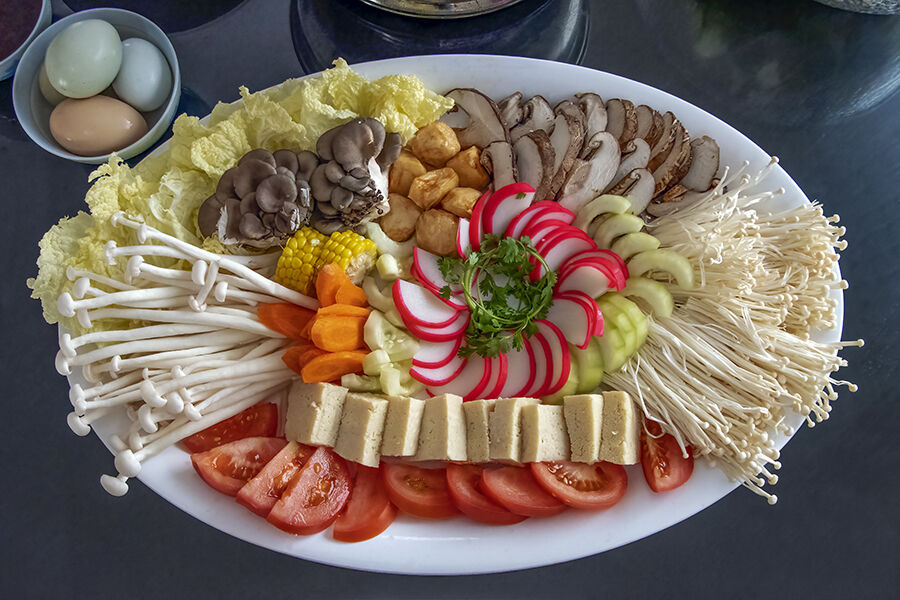
• Veggie and tofu platters. Veggie platters are the crown jewel of hot pot. I recommend a variety of leafy veggies, colorful veggies, mushrooms and tofu. All of the ingredients should be washed and trimmed into sizes that would be easy to cook and eat – 2- to 4-inch chunks or slices. A good rule of thumb is to prep a little bit of each thing, for example, a quarter of a head of napa cabbage, a small bunch of each type of veggie and mushroom. The key is to have plentiful variety, but you don’t need massive quantities of each kind because they will quickly add up to a lot of food. Some of my favorites:
Leafy veggies: Spinach, watercress, bok choy, snow pea leaf and chrysanthemum leaf. The frilly tops of napa cabbage are a must, as they make the soup particularly silky and sweet.
Colorful veggies: Beefsteak tomatoes, carrots, kabocha squash and hunks of corn on the cob. The flavors and colors make the broth both delicious to eat and beautiful to see cooking before your eyes.
Mushrooms: Fresh shiitake, enoki and any combination of woodear, oyster, seafood, bunapi and maitake. Mushrooms add excellent umami and texture.
Tofu: Medium-firm tofu and tofu skin. Medium-firm tofu turns silky in the broth without falling apart. Some people prefer to freeze their tofu and then defrost it, which creates holes in the tofu that trap soup and flavor. You may wish to cook tofu in netted ladles to prevent them from disintegrating in the soup.
• Finishing starch. To finish the meal, I love adding thin mung bean noodles to the final broth, poached in the netted ladles to prevent them from disappearing into the soup. Other options are pre-cooked, frozen udon or steamed rice. I also like to throw toasted chunks of Chinese donuts (you tiau) on my soup for texture.
• Dipping sauce. Make your own personalized dipping sauce, to taste. My family’s classic sauce is a raw, high-quality egg, whisked with Taiwanese satay sauce, called shacha sauce, which is packed with umami and made with dried seafood, garlic, ginger, shallots, chili and oil. I also like to add a bit of minced garlic, sliced green onion, minced cilantro, soy sauce, black vinegar, sesame oil and chili oil. Alternatives include sesame sauce, Japanese yuzu dipping sauce or whatever you like.
Eating your hot pot
Phew, that was a lot of prep! Now, to enjoy your hot pot.
The process:
1. Boil your stock in your hot pot.
2. Begin adding in ingredients by cook time, starting with items that add tons of flavor, need longer to cook and tend not to fall apart in soup – carrot chunks, corn on the cob, tomato slices, napa cabbage stalks and some meatballs or fish balls.
3. Add quick-cook ingredients. Once the broth reaches a boil again, start adding ingredients that cook quickly – green leafy veggies, slices of meat, seafood and mushrooms, remembering to remove them immediately from the broth as they cook so they don’t become rubbery. As you remove items from the hot pot, put them in your bowl, dip them in your sauce and eat them. Feel free to sip the broth from your bowl as you go.
4. Repeat steps 2 and 3 as needed. Noodles are often cooked last, as they tend to disintegrate in the broth. Add more broth or water as needed.
5. If you have soup that you would like to reuse, refrigerate your hot pot after it cools, then start over the next day with any remaining ingredients.
A few notes on etiquette
• If you put certain items in the broth, be in charge of timing and take them out when they are ready.
• Establish ground rules for shared utensils. Some people are careful about using only shared chopsticks and ladles in the soup, and not sticking their personal chopsticks and eating utensils into the shared pot. Some people like to think that the boiling broth cooks off all of the germs, so they stick their personal chopsticks in. If you are the host, decide what works for your comfort level and make ground rules clear to your fellow hot potters.
Los Altos resident Emily Pan Shen works in education, hails from Taiwan and has been enjoying hot pot for more than three decades.