Students who live in a competitive environment such as the Bay Area are aware of their peers’ accomplishments. It crushes their spirit if they hear someone else got picked for an internship or into their dream school they also applied for. Despite all their sleepless hours participating on a sports team, volunteering or participating in research groups, it may seem worthless to them if they are not satisfied with their accomplishments when the school year ends.
It is unhealthy to suggest all these activities will bring someone happiness, because what if they don’t truly want to do it? They may also not have a good work-life balance, leaving instability in their personal life and organizational skills.
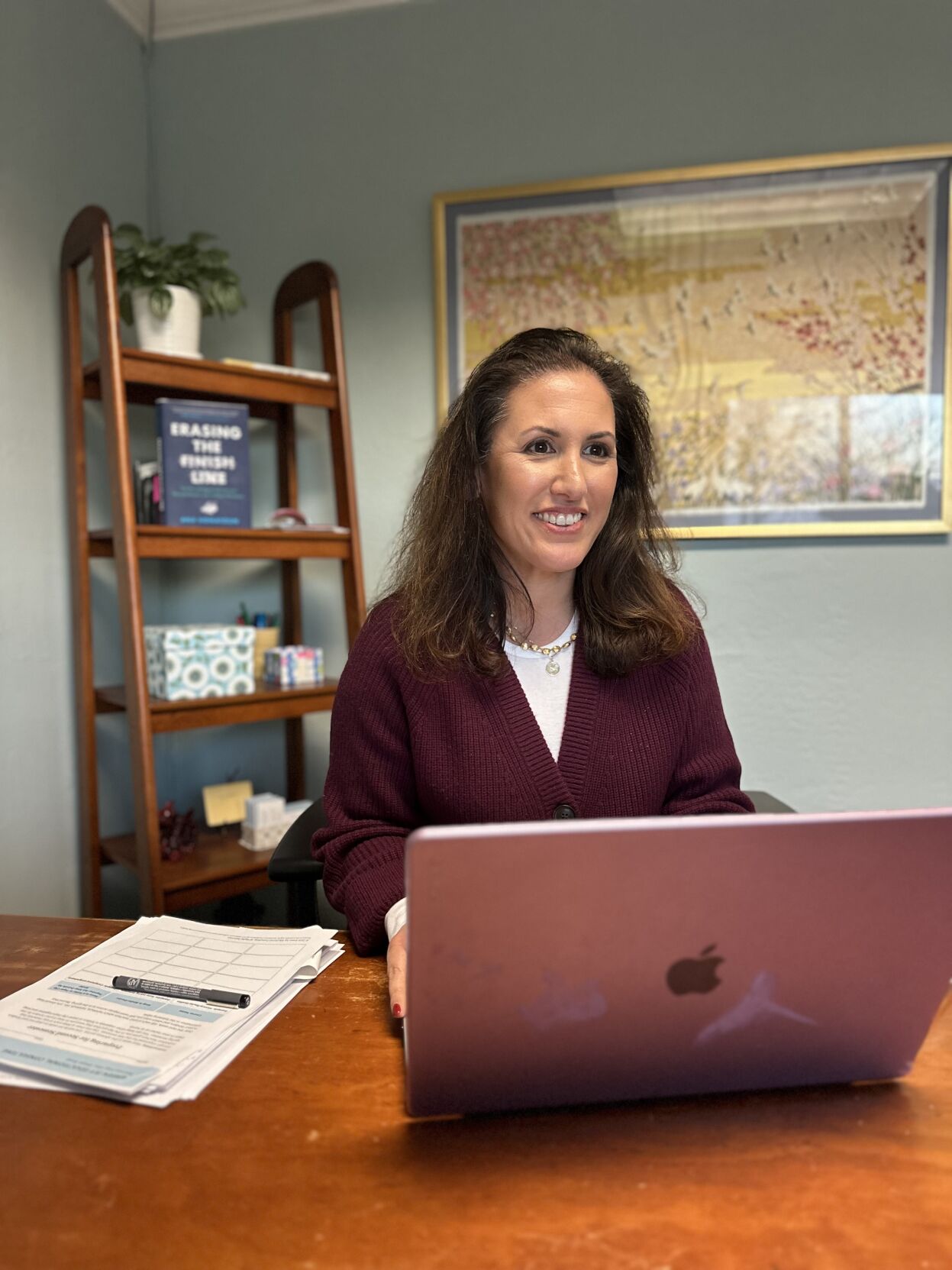
Ana Homayoun, an academic advisor, early career development expert and author of the new book “Erasing the Finish Line” teaches students to be reflective of their needs and find genuine interests. Homayoun said the book explores how students can find new perspectives in their everyday life and take healthy risks to improve their academic experiences. Homayoun said when she first meets a student who struggles academically or compares themselves to other students, she asks them to identify five offline ways they can handle their stress.
“We know that not all stress is bad, sometimes it gets us to go do things,” Homayoun said. “It is important to identify proactively the things you can do offline such as listening to music, doing a meditation or playing with one’s dog. We can then ask them to identify their goal and how we can help them get there.”
Homayoun said it is important for students to manage their distractions and control their emotions with good habits. She said students should develop executive functioning skills, an active way of concentrating on tasks, through inhibitory control, an ability to resist mind wandering; working memory, using new and old information to form creative thoughts and cognitive flexibility, a skill that allows one to find solutions that are not self-evident. She said all of these functions support students who struggle with organization, problem-solving or decision making.
“I have found over the years, a lot of it is peer and community-driven, not parent-driven and it’s driven because everybody’s nervous that they’re not doing enough,” Homayoun said. “The reality is if we take a step back, we focus on the habits and routines and we also encourage kids to figure out what they like to do, what they are curious about, what they want to explore and what they want to give up.”
Homayoun said that in the book she includes many stories of her old students who are now in their 20s and 30s who used her educational support. Homayoun said the book was inspired by the former students who reached out to her over the years to update her on their future careers. Homayoun said that many students who at a young age were diagnosed with learning disabilities and ADHD were doing well in their lives and found ways to plan out their time efficiently.
“What I want people to understand, is the skills that we’re teaching in our office go beyond the grades,” Homayoun said. “Certainly, students getting great grades and getting into colleges is amazing. But beyond that, bigger than that, is that they’re setting themselves up and navigating a world that has uncertainty and changes.”
Homayoun said society likes to stress people out and make them feel left behind. Homayoun believes her advice applies beyond school and helps people find connections in new experiences, relationships and long-term goals.
For information on Homayoun’s book and work she does at Green Ivy Educational Consulting, visit greenivyed.com/books/.