In a joint study session, the Los Altos City Council and the Planning and Transportation Commission last week reviewed how secondary living units might allow for new housing in Los Altos.
City officials concluded that secondary living units, small outbuildings often called “granny” or “in-law” units because of their customary inhabitants, could help alleviate Silicon Valley’s housing crisis.
“We need much more housing, everybody agrees,” said Councilman Jean Mordo. “The only way to make a substantial impact is secondary units. Obviously, we do not want any single little lot … to have a unit. The important thing is not so much the size of the lot, but lot coverage and the setbacks.”
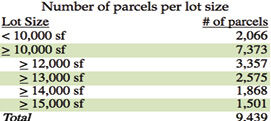
Community Development Director Jon Biggs asked the council if Los Altos should lower the minimum lot size allowed for secondary units from 15,000 square feet. Out of the city’s 9,439 total parcels, only 1,501 are more than 15,000 square feet.
Councilwoman Megan Satterlee pointed out that 15,000 square feet was chosen for a reason.
“Why are people here on large lots?” she said. “Because they want their privacy. So when my neighbor builds (a secondary living unit), they impact my privacy, my light and sun.”
Satterlee added that the units may mean more people will be parking on the streets and that some of the units would be used for relatives and not outside individuals.
Ronit Bodner, member of the Planning and Transportation Commission, said Satterlee’s last concern was a red herring.
“How is that different than building senior housing?” she asked.
Roy Lave, who served as mayor of Los Altos in the 1970s, provided historical context.
“I think this is potentially the fastest way to get affordable units. The potential is really great,” he said. “But there are a lot of issues….The relationship of someone living in a second unit to a house owner is different.”
David Kornfield, the city’s planning services manager, said the meeting provided enough information to move forward.
“There are more eyes on the streets in places with second living units, and there’s different patterns of living,” he said. “When we come back (to the council), we will provide a much more comprehensive report on what the benefits are to the community and what the requirements are from the state.”
City considers inventory of affordable housing
After the study session focused on secondary units, the conversation shifted to affordable housing. Los Altos has been without an affordable housing administrator since a 2015 request for proposal proved unsuccessful.
That’s at least partly due to the fact that no one seems to know the scale of affordability in Los Altos.
The city has partnered with Palo Alto Housing to administer affordable units in downtown Los Altos. According to Los Altos Mayor Jeannie Bruins, no one knows if units designated affordable are occupied by families that need the assistance, because the city has a complaint-driven compliance system.
Citing his experience living in Los Angeles, Alex Samek – another member of the Planning and Transportation Commission – suggested annual registration of below-market-rate units, including secondary housing.
City staff indicated that they would take Samek’s suggestion into account as they form an affordable housing strategy, which will not yet require a housing administrator.